Wyoming Trading Posts

Adapted from Negotiating the West: A History of Wyoming Trading Posts by Greg Pierce

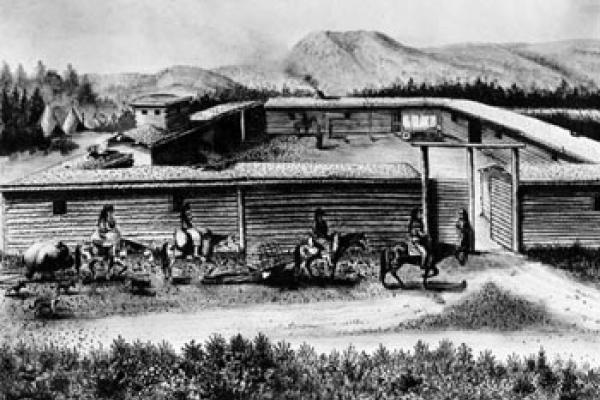
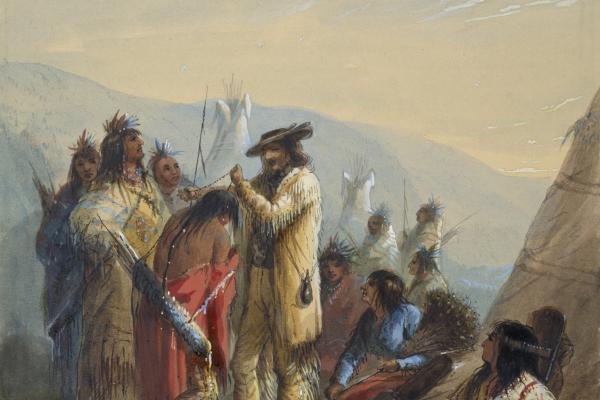
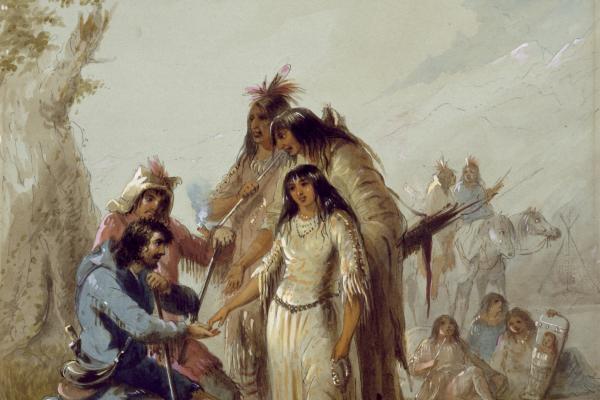
The first trading post in Wyoming was constructed in 1832, but Euroamerican trappers and traders reached the region decades earlier. While the Euroamerican trappers, traders and posts were new introductions to the region the activities conducted at them were not. Native Americans had engaged in long distance trade with other indigenous groups for at least 8,000 years and possibly longer. Over time the nature of the trade would change, but the exchange systems always persisted. 

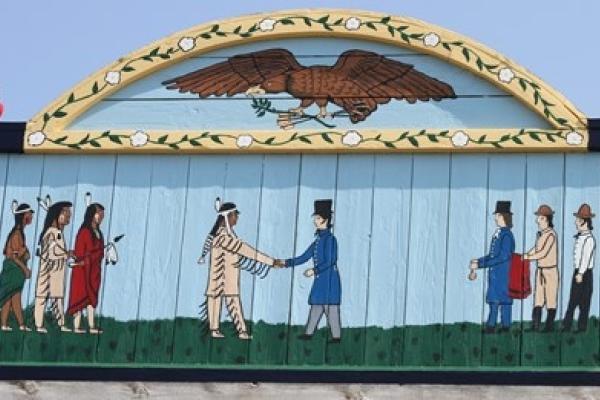
Wyoming’s trading posts were integrally involved in a transformative period in the American and Native American pasts. Fur trading activity conducted from these sites often served as the earliest form of contact between Native Americans and Euroamericans in the West, helping to develop economic, social, and political relationships between the two. The posts also aided in the development of the local infrastructure through the development of trails, river crossings, and communication and transportation stations that eventually allowed for emigration and the settlement of the West by the United States. The posts were involved in military actions such as the Grattan Massacre and in treaty negotiations between the United States and tribal authorities. These associations make the posts an important part of American and Native American local, regional, and national histories.

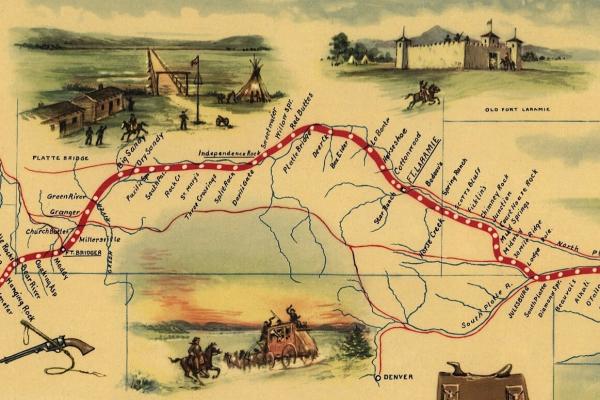
To date, at least 29 trading posts have been identified in the state of Wyoming. With the exception of three, Fort Bonneville, Bordeaux’s Rawhide Creek Post, and the Portuguese Houses, all are located on, or near, one of the trapper or emigrant trails. Aside from those that have been reconstructed or are part of larger interpretive sites, it is possible to visit the locations of many Wyoming posts with no surface remains, many of which have been commemorated by roadside markers providing locational information and a brief history. 

[Editor’s Note: Special thanks to the author and to the Wyoming State Historic Preservation Office for making this article available and to the Wyoming Cultural Trust Fund for its ongoing support for this project. Greg Priece’s historical monograph, Negotiating the West: A History of Wyoming Trading Posts, from which this travel itinerary is adapted and excerpted, is one of many historic contexts published by the Wyoming State Historic Preservation Office. These documents are meant to offer a broad background against which historic developments can be better understood as the agency works to preserve properties and places important to an understanding of Wyoming’s past. The contexts also, however, are based on sound research and are full of well-told, vivid stories. With this in mind, WyoHistory.org is collaborating with the SHPO office to bring more of this history to a wider readership. The Cultural Trust has provided the funds to make this collaboration possible. We offer our thanks to all.]
 

Visit Wyoming’s Trading Posts:

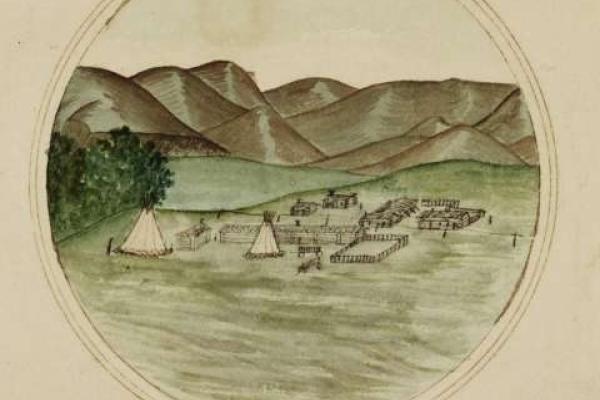
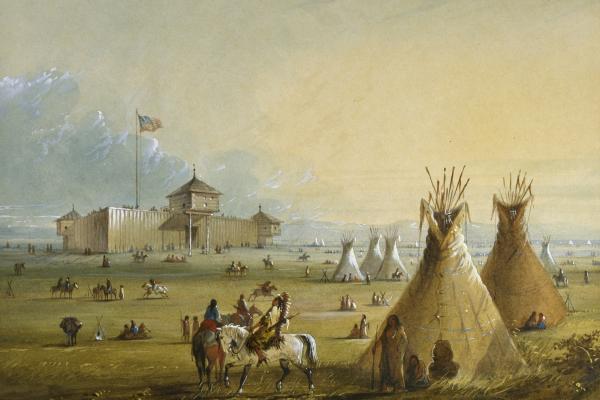
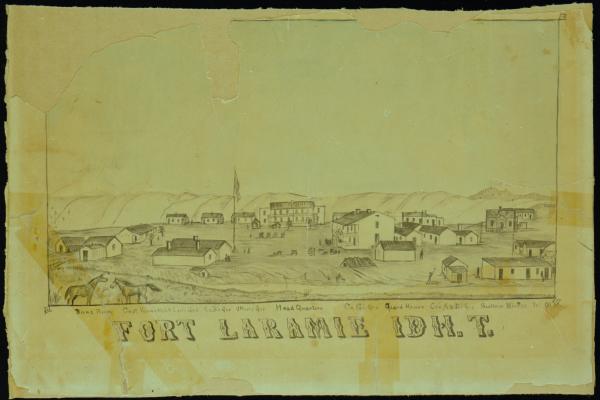
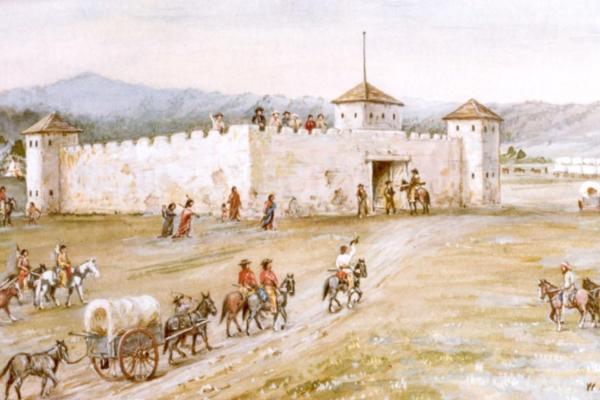
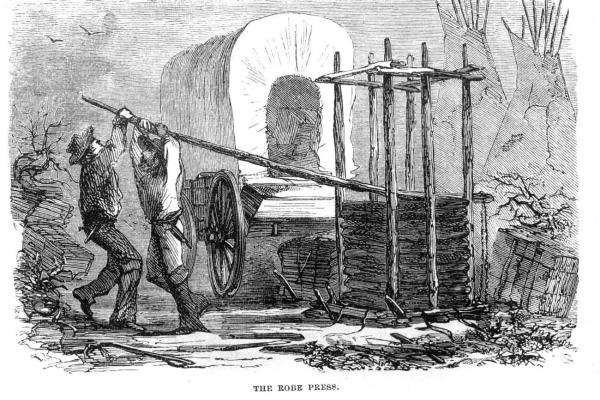
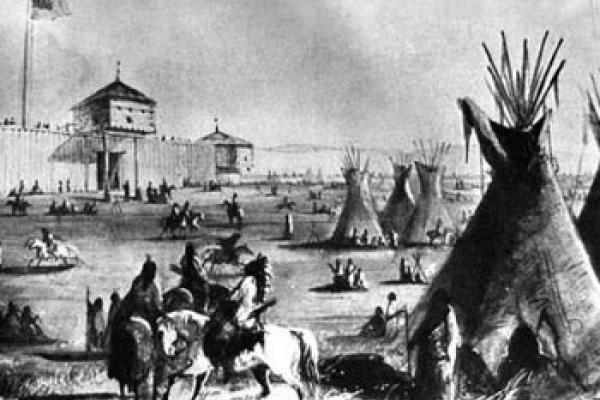
Fort Laramie began as a fur-trade post in 1834 near the confluence of the Laramie and North Platte rivers. Soon it changed into a post for the trade in buffalo robes, and for supplying emigrants bound west on the Oregon/California/Mormon Trail. In 1849 the post was purchased by the U.S. Army, and became an important supply, logistics and communications center for the Indian Wars campaigns of the next four decades. In recent decades the post has been carefully restored, and today is a National Historic Site.

Seth Ward and William Guerrier built Sand Point Post at Register Cliff, the first stop west of Fort Laramie, where they pioneered livestock exchange and open-range wintering that launched Wyoming’s cattle industry. It operated for sixteen years, doubling as mail and Pony Express station.

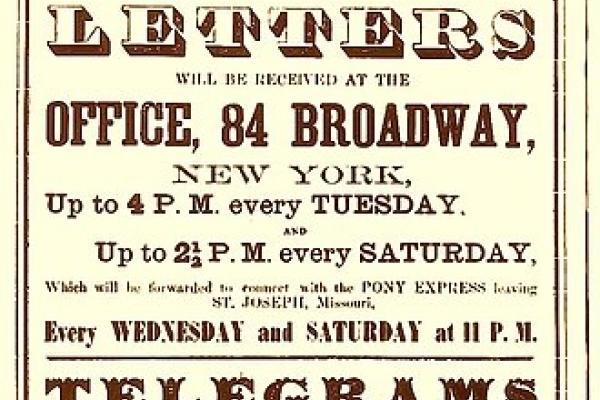
Fur trader Joseph Bissonette built a bustling trading post at the mouth of Deer Creek in 1857—a crossroads of commerce, diplomacy and scandal that hosted Lutheran missionaries, Pony Express riders and a wary military garrison before Indian wars reduced it to ashes in 1865.

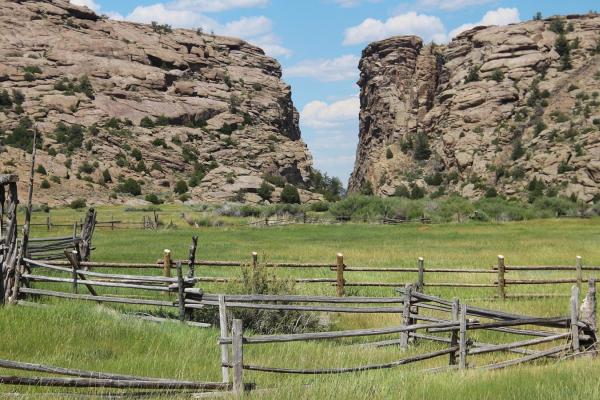
In 1852, Charles Lajeunesse built a trading post at Devil’s Gate, funneling all Sweetwater Valley emigrant traffic past his door. Abandoned by 1856, its ruins sheltered the stranded Martin Handcart Company that winter. Lost for a century, the site was rediscovered and rebuilt in 2001.

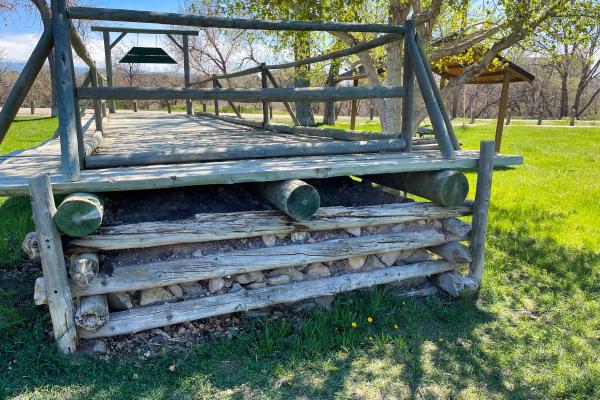
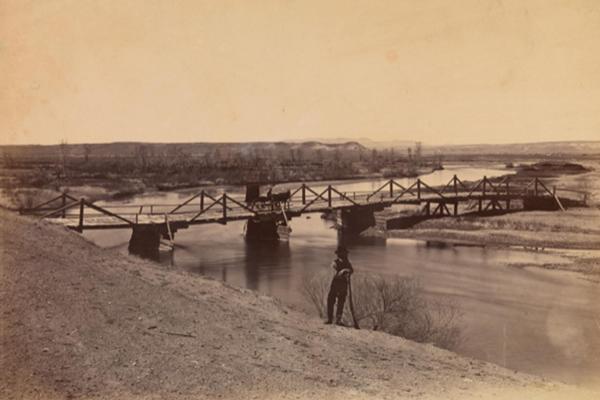
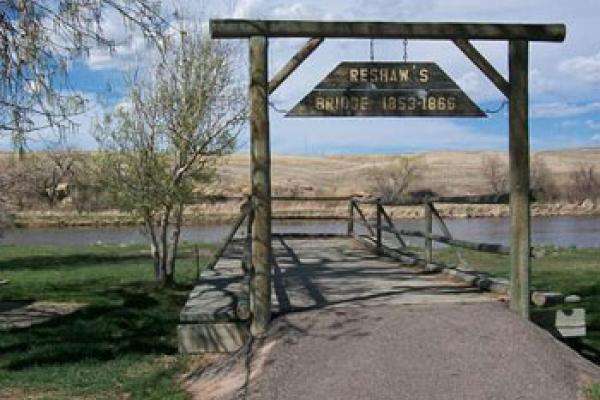
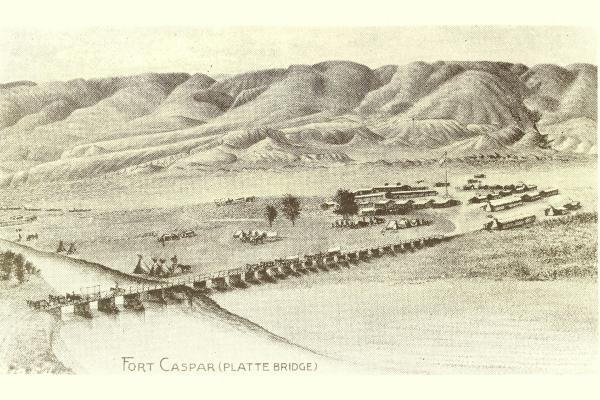
For twelve years, John Baptiste Richard’s toll bridge and trading post near present-day Evansville was the upper North Platte’s busiest crossing, hosting emigrants, soldiers, and the Pony Express. Known to travelers as “Reshaw’s Bridge,” it gave way to Fort Caspar in 1865.

Built in 1832 near the Green River, Fort Bonneville was Wyoming’s first trading post, though mountain men mocked it as “Fort Nonsense.” Its real legacy was proving wagons could cross South Pass.

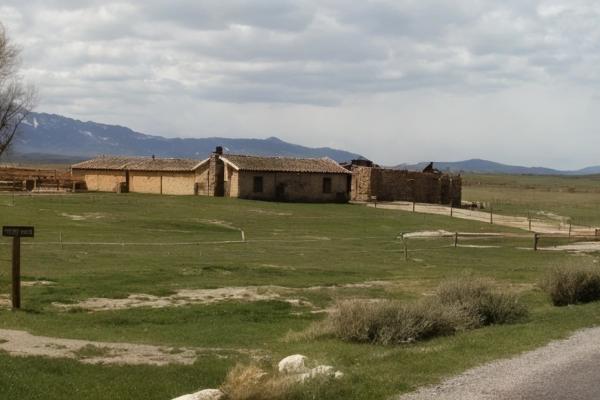
Established by mountain men Jim Bridger and Louis Vasquez in 1843, Fort Bridger was an important rest and re-supply spot for emigrants bound to Utah, California and Oregon. Mormons acquired the site in the mid-1850s, and burned it in 1857 as the U.S. Army approached during the bloodless Utah War. The following year the Army took over, and garrisoned the fort until 1890. Today it is a state historic site.

The following trading posts were all located at or near Fort Laramie. For more information on their specific locations, please visit Fort Laramie and ask for more information.

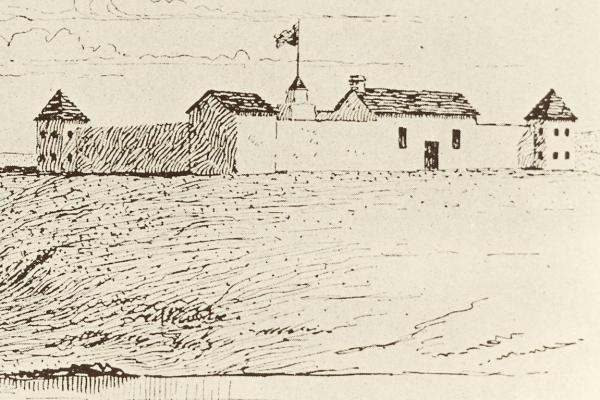
Built in 1834 at the Laramie-Platte confluence, Fort William was Wyoming’s first permanent trading post, precursor to Fort John and Fort Laramie. Champagne christened its name after a dispute among its builders. Its exact location remains unknown despite decades of archaeological searching.

Built in 1841 to outshine its decaying predecessor Fort William, adobe Fort John became the busiest trading post on the North Platte, the “Fort Laramie” thousands of emigrants passed through. The Army bought it in 1849, launching one of the West’s great military posts.

Fort Bernard undercut Fort John’s prices by up to 40% in 1845–46, until a fire destroyed it within two years. Visited by Francis Parkman and the Donner Party, it captures a fierce, short-lived challenge to the American Fur Company’s monopoly on the North Platte.

After the Grattan Fight forced Platte River traders to Fort Laramie in 1855, Seth Ward and William Guerrier built a trading post just across the river. Ward became the fort’s sutler in 1857, anchoring one of the corridor’s most successful trading partnerships until 1863.

Built in 1841 to challenge the American Fur Company, Lancaster Lupton’s Fort Platte sparked a fierce three-year rivalry with Fort John. Bankrupt by 1842, it passed through four owners before being abandoned in 1845. Not even an adobe brick remains today.

Read about Wyoming’s other trading posts that have either not been located or are on private land:

In 1834, Antonio Montero built a remote trading post for Crow trade deep in Powder River country. Isolated, harassed by Blackfeet raiders and rival trappers, and undone by a ruinous winter in 1836-37, the Portuguese Houses remain remarkably undisturbed beneath a Johnson County hayfield.

In 1837, Pierre Sarpy built a seasonal outpost near Fort William on the North Platte to feed the fur trade’s booming robe market. Abandoned within a year, its exact location was never recorded, and Fort Sarpy remains one of Wyoming’s most obscure trading posts.

In 1841, the obscure firm of Lock and Randolph built a log post near Fort Adams on the North Platte, the smallest player in a crowded market. Known mainly from a note about borrowed axes, the venture failed, followed by bankruptcy at Fort Vasquez.

Fort Adams was a short-lived trading post established in September 1841 near the confluence of the Laramie and North Platte rivers in present-day Goshen County, Wyoming. Built by the trading firm of Sybille, Adams, and Company and occupied for only a single season, it was one of several posts competing simultaneously for the North Platte trade in the early 1840s.

Henry Fraeb, a veteran of the Rocky Mountain Fur Company, died defending a hastily built fortification on the Little Snake River in August 1841. Whether a true trading post ever stood nearby remains disputed, its existence woven from local tradition rather than solid record.

Built in 1850 along the North Platte River in Goshen County, Ash Point was a modest one-room post that briefly traded horses before burning in 1852. Its later owners went on to establish a well-known post at Fort Laramie.

From 1850 to 1854, fur trader and interpreter Joseph Bissonette ran an independent trading post on the North Platte River, serving emigrants and Lakota bands alike. He later worked as a ferryman, bridge partner, and government official through the Oregon Trail’s final violent years.

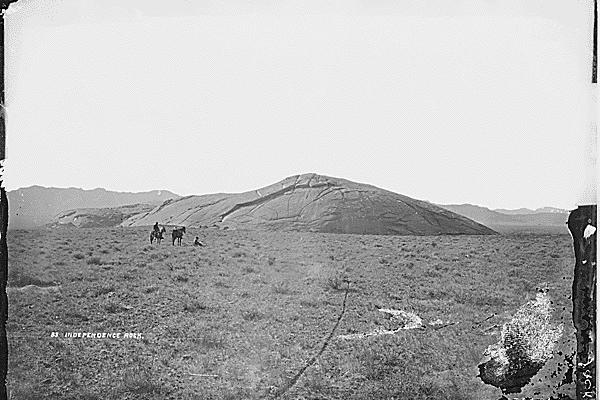
Along the Sweetwater River near Independence Rock, Archambault’s Post traded with emigrants and Native peoples through the 1850s, its history tangled with the neighboring Seminoe’s Post. Abandoned by 1856, it briefly sheltered Mormon handcart emigrants stranded that fall in a killing snowstorm.

Joseph Bissonette relocated to LaBonte Creek in 1854, just weeks before the Grattan Fight ignited the First Sioux War. Raided twice and stripped of trade by military restrictions, his least successful post reveals how quickly the North Platte’s independent trading era collapsed.

The Moncravie House was a small trading establishment constructed in 1856 on the Laramie River approximately twelve miles upstream from Fort Laramie, in what is now Goshen County, Wyoming.

In 1857, veteran fur trader Andrew Drips built a post on the North Platte River near present-day Torrington, his last venture after decades in the Rocky Mountain and Upper Missouri trade, including stints helping run Fort William and two different posts both called Fort John. Drips traded here until his death in 1860.

French-Canadian trader Louis Guinard built a bridge and trading post below Independence Rock in 1857, hoping to profit from Utah Expedition traffic, only to abandon it two years later for a bigger, and ultimately more dangerous, venture on the North Platte.

Henry Gilbert and William Garrish built a trading post at the ninth and last crossing of the Sweetwater River in 1858, a Lander Cutoff’s stopover marked by a road-builder’s murder, a Pony Express run, and a military garrison before it became known as Burnt Ranch.

Louis Guinard, once a partner in John Richard’s North Platte bridge, built his own rival crossing six miles upstream in 1859, a venture that outlasted Guinard himself as owner, surviving as a Pony Express station, a Civil War-era military post, and finally Fort Caspar.

Traders known only as Merchant and Williams built a post near Devil’s Gate in 1861, on ground already steeped in trading-post history, and, within a year, tangled up in Civil War troop movements, a Mormon militia company, and the site’s violent Native and emigrant past.

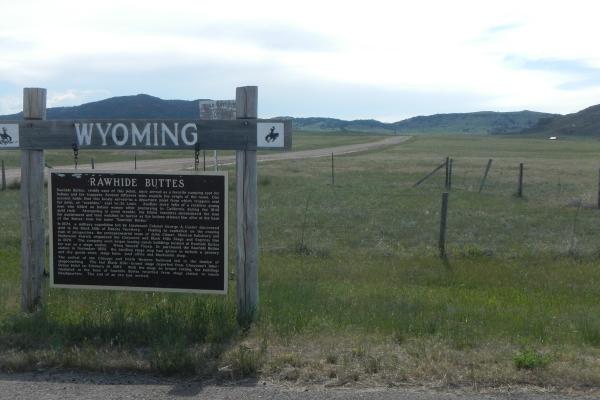
In 1862, veteran Fort Laramie trader James Bordeaux built a short-lived trading post at Rawhide Buttes. Almost nothing is known about the post itself, but the buttes remained a landmark for travelers long after Bordeaux left, later becoming a station on the stage road to the Black Hills gold rush.