Introduction
WyoHistory.org is celebrating the 250th anniversary of the signing of the Declaration of Independence by honoring our state’s “founding figures.”
The men who signed the Declaration of Independence are often referred to as our nation’s “founding fathers.” They were accomplished politicians, military leaders, businessmen, and farmers who crafted the ideals and performed the deeds that gave birth to our country.
The country did not stop growing in 1776, as evidenced by the establishment of the Wyoming Territory in 1869. Wyoming’s “founding figures” include men and women—people of all religious and ethnic backgrounds—who engaged in exploration, politics, education, arts and culture, industry, and agriculture. Their influence often spread beyond state borders, impacting the growth of the nation.
Historical Context
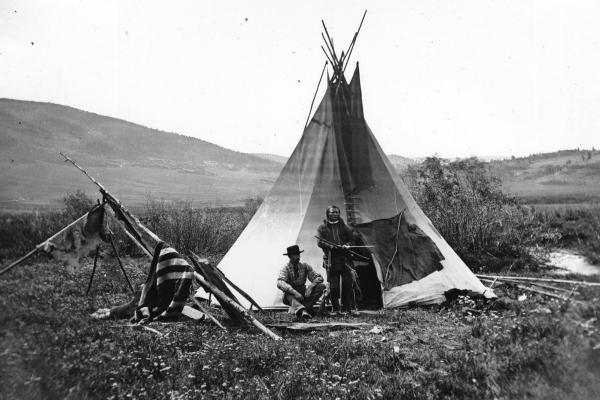
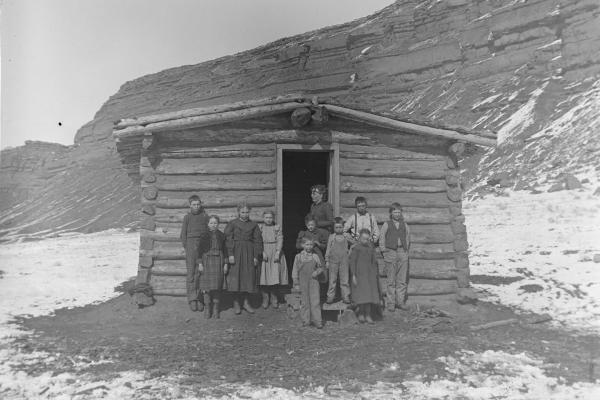
Wyoming Territory was established in 1869 during a period of rapid transformation across the American West. This region had long been home to the Eastern Shoshone, Northern Arapaho, Crow, Cheyenne, Lakota, and other Indigenous nations whose histories stretched back thousands of years. By 1869, fur traders, emigrants on western trails, soldiers, railroad workers, miners, ranchers, and settlers from around the world had been converging on what would become Wyoming for more than a century, each group shaping and being shaped by the landscape they passed through.
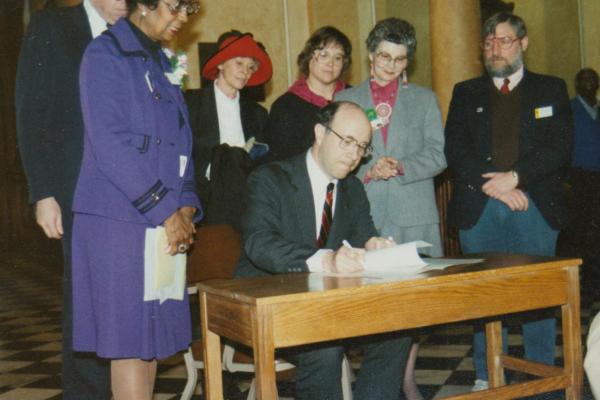
The founding figures profiled here reflect this diversity and complexity. They include territorial officials who created new political structures and pioneered democratic innovations like women’s suffrage. They include Indigenous leaders navigating enormous pressures while working to preserve their communities. They include women who broke barriers in politics, business, and the professions. They include immigrants from dozens of countries who built towns, worked in mines and on ranches, and established lasting institutions. They include entrepreneurs who developed industries that would power regional and national growth.
Achievements and Challenges
These figures’ achievements were genuine—Wyoming truly did pioneer inclusive political participation and innovative governance. At the same time, their stories reveal the tensions and trade-offs of this era: expanding opportunity for some while constraining it for others, building new communities while transforming existing ones, creating economic growth that also brought instability and conflict. Understanding both the achievements and the challenges provides a clearer picture of how Wyoming developed and what lessons this period offers.
Wyoming’s founding period brought remarkable democratic innovations, including the world’s first unrestricted women’s suffrage. It brought together extraordinarily varied communities—by the 1920s, Rock Springs alone claimed residents from 56 nations. It saw the development of constitutional frameworks, particularly around water law, that other western states would adopt. It established industries and infrastructure that connected Wyoming to national networks.
This same period also brought significant difficulties. Economic competition sometimes led to serious conflicts. Boom-and-bust cycles created persistent instability. The rapid changes of this era affected different communities in vastly different ways—what represented opportunity for some meant loss or hardship for others.
The stories that follow present these founding figures in their full context—celebrating innovations and achievements while acknowledging the real challenges and costs of this transformative period. As America marks its 250th anniversary, Wyoming’s experience offers valuable lessons about democratic development, community building, and the ongoing work of creating inclusive, sustainable societies.
Editor’s Note: Articles will be added throughout 2026 in celebration of America 250!