Founding Figures in Arts and Culture

Image
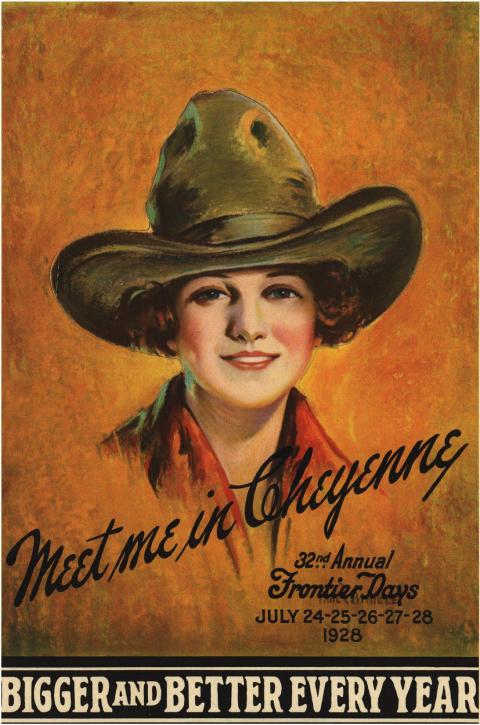
1928 poster with image of woman in cowboy hat, smiling. Text says "Meet me in Cheyenne; 32nd Annual Frontier Days. Bigger and Better Every Year."
Cheyenne Frontier Days poster, 1928. Robert D. Hanesworth papers, American Heritage Center, University of Wyoming.

“Poets are the unacknowledged legislators of the world.”

- Percy Shelley, “A Defense of Poetry”


Arts and culture play a significant role in our understanding of the world and our place in it. Artists, writers, and cultural leaders shaped how Wyoming saw itself and how the nation understood the American West. Visual artists captured Wyoming’s landscapes and frontier life through painting and photography, creating images that defined the region in the American imagination. Writers and newspaper editors told Wyoming’s stories and debated its future. Novelists invented enduring archetypes, poets captured the state’s spirit, journalists built influential publications, and homesteaders turned their experiences into literature. Cultural activists championed causes from women’s suffrage to conservation to civil rights, sometimes at great personal cost. Entertainers brought Wyoming stories to national audiences, athletes pioneered innovations in their sports, and Indigenous leaders worked to preserve their heritage while navigating between cultures.

These cultural figures’ contributions reflect the complexity of their times. While they created beauty, advanced important causes, and gave voice to varied experiences, they also worked within and sometimes reinforced systems of inequality. Some romanticized versions of the West that obscured harsh realities, while others challenged injustice and expanded opportunities. Understanding both their achievements and their limitations provides essential context for Wyoming’s cultural development and ongoing work of creating a more inclusive society.
Visual Artists

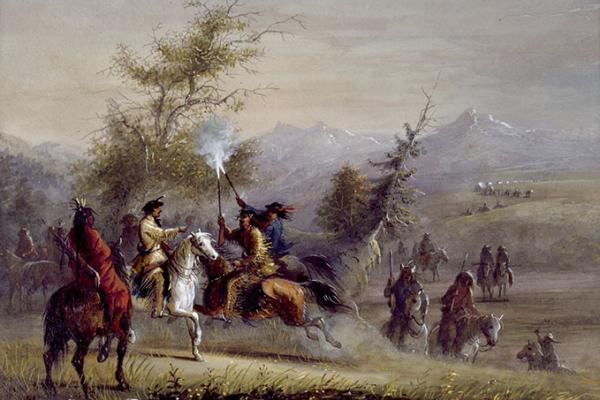
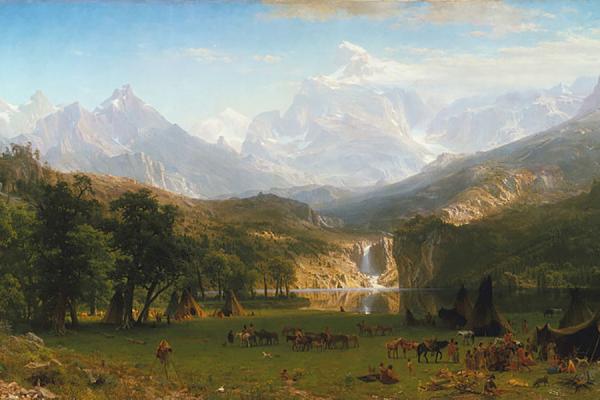
Trained in Paris and Rome, Baltimore artist Alfred Jacob Miller attended the 1837 fur-trade rendezvous in what’s now western Wyoming. Miller sketched and painted all aspects of the fur trade for his patron, the Scottish adventurer William Drummond Stewart, and later reworked much of this material into oil paintings for a wider audience.

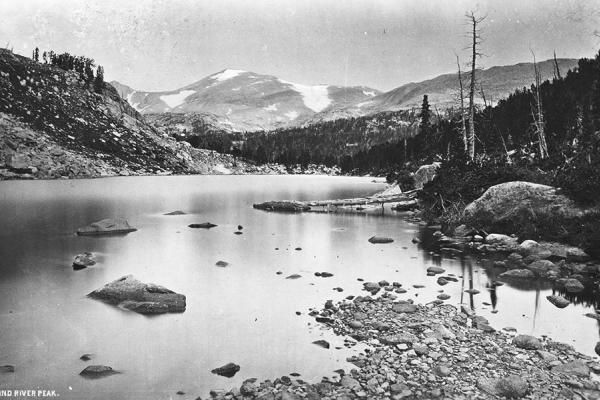
German-American landscape artist Albert Bierstadt captured a transformative time in American history. His travels through Wyoming and the West gave Bierstadt a one-of-a-kind perspective for painting his best-known works in the 1850s and 1860s, and his grandiose landscapes and their idealized, pristine panoramas have sparked the imagination of generations.

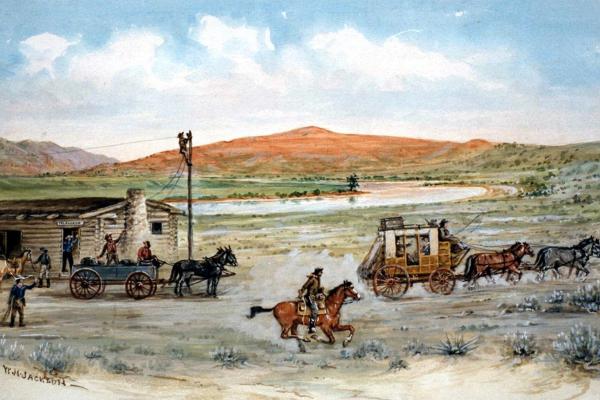
William Henry Jackson’s artistic passions began during childhood in upstate New York. By age 15, he was retouching photographs for professionals. His photos of the West, especially Yellowstone Park, many of them made in the 1870s with the Hayden survey, had an enormous influence on public perceptions of the American West.

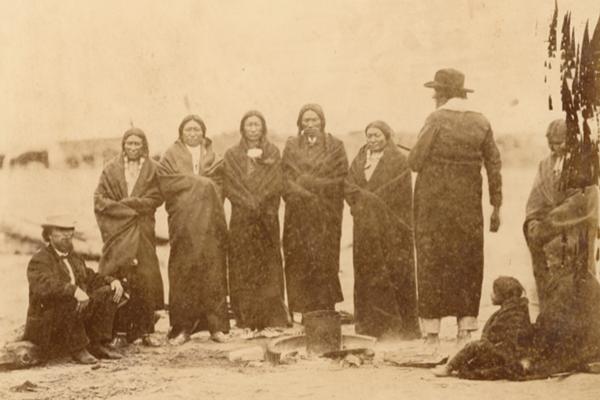
Alexander Gardner took some of our most important photographs of the Civil War and the 19th-century West. His images from the crucial 1868 treaty negotiations at Fort Laramie capture Sioux, Crow, Northern Cheyenne and Arapaho people, mixed-race families and interpreters, government peace commissioners and vivid scenes of life at the fort.

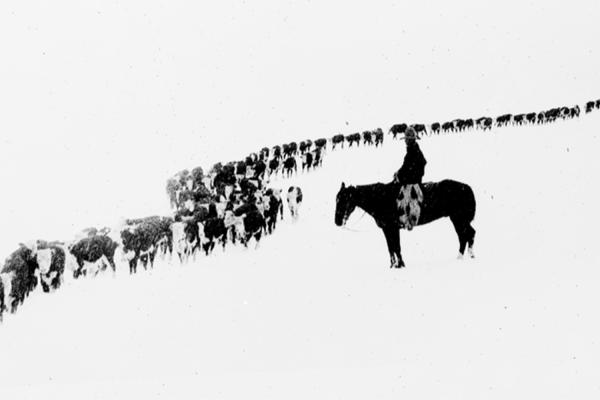
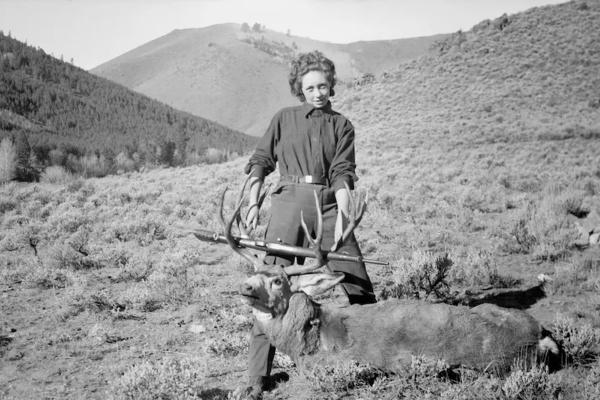
Cowboy photographer Charles Belden co-owned the massive Pitchfork cattle and dude ranch near Meeteetse from 1922 to 1940. Even more than ranching, however, he cared about taking pictures. His images show working cowboys, sheepherders, dudes, cattle and sheep—and a spirit of western romance and adventure that the public was hungry for. 

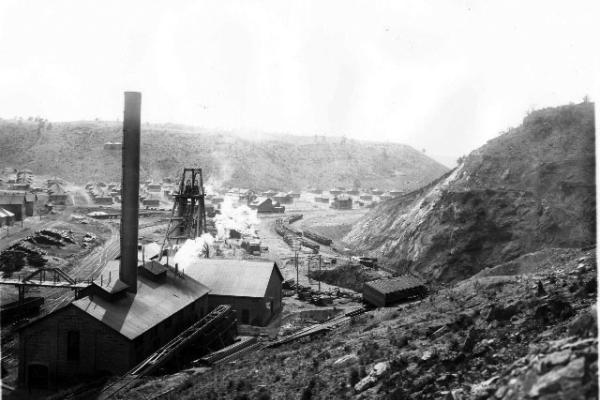
Joseph Stimson came to Cheyenne in 1889 to take portraits. In 1900, the Union Pacific hired him as a publicity photographer, with wide leeway to choose his subjects. Soon, his agricultural, industrial and scenic views won him a national reputation. The Wyoming State Archives holds a collection of 7,500 Stimson negatives.

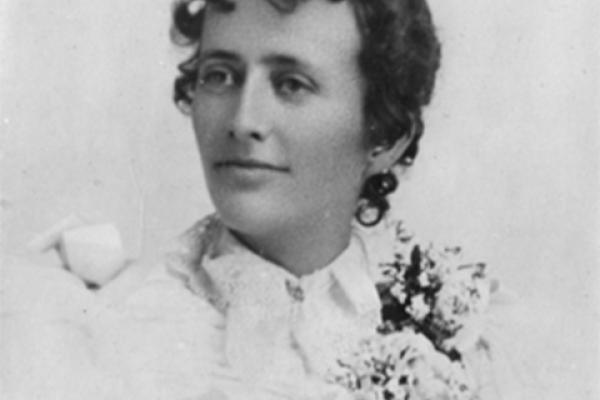
Lora Nichols of Encampment, Wyo., got a camera for her 16th birthday in 1899 and kept snapping photos until her death at age 78. Her work leaves a vivid record of her time and place, and of her clear-eyed vision of the lives of her neighbors and kin.

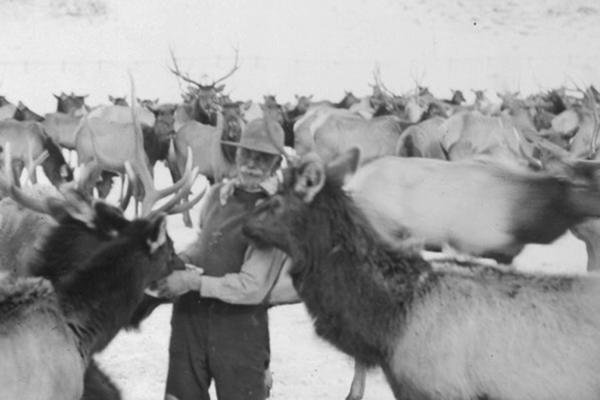
Stephen Leek’s efforts to save the starving elk of Jackson Hole came at a time when survival of the species was very much in doubt. The founding of the National Elk Refuge in 1912 was one result—a huge achievement. But feeding wildlife in herds leads to disease, we now know. And Leek himself was a decidedly complicated man.

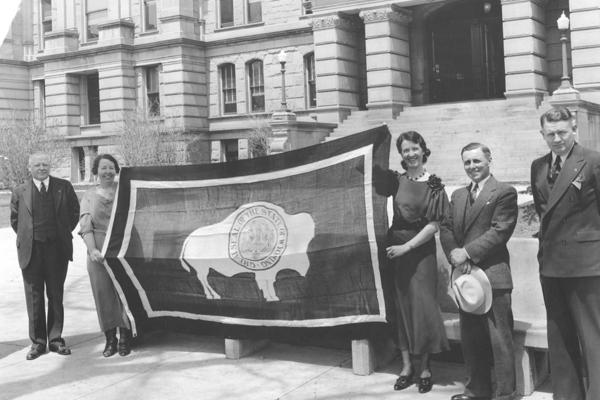
A few people in Wyoming know the secret behind their state flag. They will give a knowing smile, as they nod, yes—that bison wasn’t always hitched to the staff, he used to survey over the mountains and prairie. But the flag holds more secrets in its weave . . .

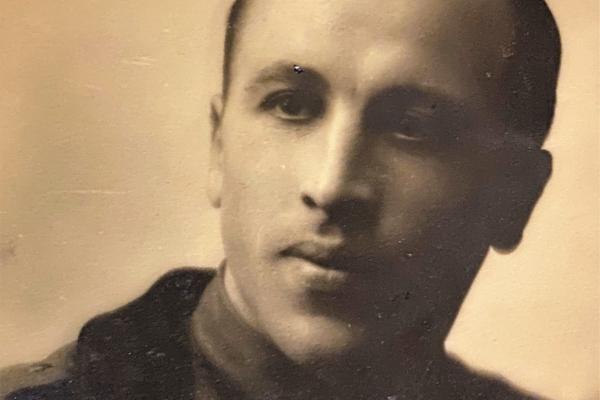
When Enzo Tarquinio surrendered to U.S. Rangers in Sicily in 1943, he didn’t know he’d end up at Camp Douglas, Wyo. While other POWs worked at farms and ranches, Tarquinio and at least two fellow artist-prisoners painted murals in the officers’ club. Their subjects? Cowboys, Indians, wagon trains and mountain goats.

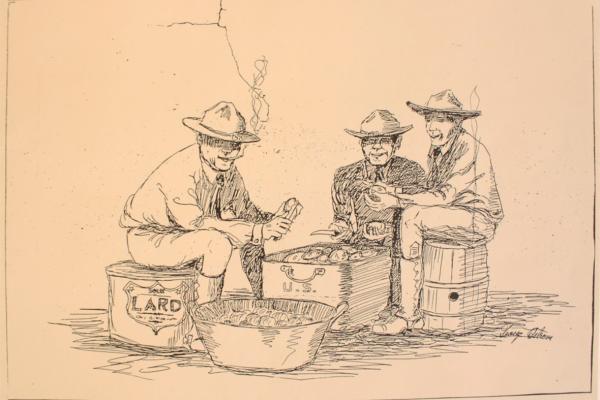
Wyoming soldier, artist, bugler and wolf killer George Ostrom joined the National Guard in 1913 and in 1918 found himself serving with an artillery regiment in the Great War. While in France he sketched vivid combat scenes but is best remembered for his design of Wyoming’s famed bucking-horse logo, modeled on his beloved sorrel, Redwing.

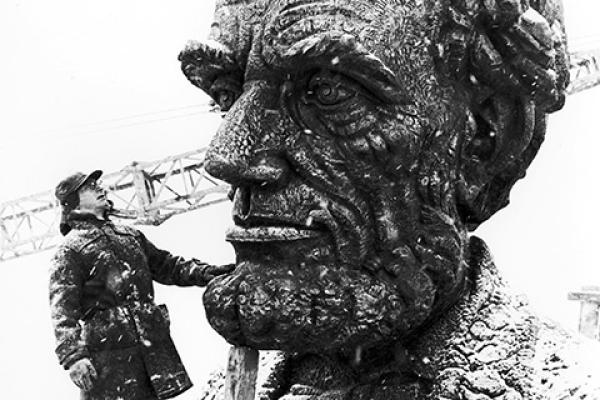
Celebrated Wyoming sculptor Robert Russin created works of all sizes in bronze and stone. Though not a native of the state, Russin lived and taught in Laramie for sixty years, and his work continues to influence artists, students, collectors and the public.

Writers and Newspaper Editors

Owen Wister’s enormously popular novel, The Virginian, published in 1902, was set in Wyoming and established the cowboy in American literature as the noble, competent, humorous, laconic hero still familiar today. Wister, a Philadelphian, first came to Wyoming in 1885, looking for stories and better health. He visited the state 14 more times between then and 1900, writing and publishing western stories and books of stories before The Virginian made him famous and rich, and set a pattern for thousands of western novels and films to come.

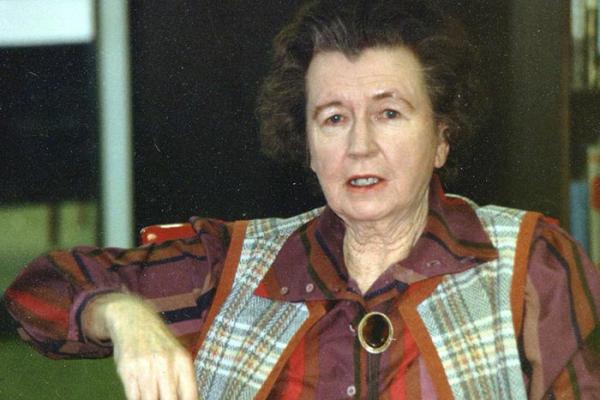
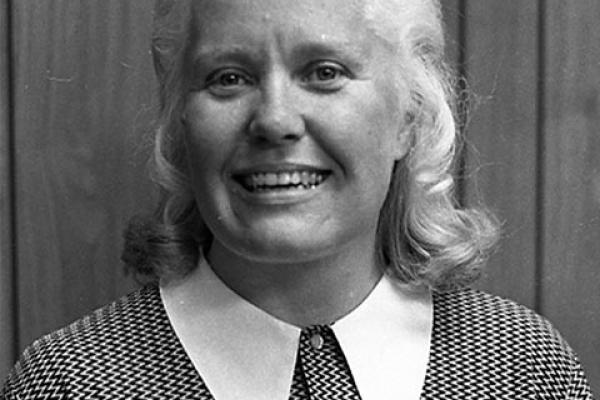
Wyoming’s first poet laureate, award-winning poet and fiction writer Peggy Simson Curry, grew up on a ranch in North Park, Colo., a world that informed much of her work. As an adult she taught writing at Casper College for 25 years, nurturing the work and hopes of generations of writers that followed her. 

Caroline Lockhart wrote a handful of novels about Wyoming in the early 20th century. They made her famous and rich, and they hold up well today. At the same time, she was a new kind of activist, a central figure in bringing to the town of Cody and the state of Wyoming a new kind of nostalgia-based culture that both have embraced ever since.

Sisters Gertrude and Laura Huntington, the first women newspaper owners in Wyoming, bought the Platte Valley Lyre in Saratoga, Wyo., in 1890 and ran it for 12 years, competing all the while with the Saratoga Sun to inform and entertain their readers. Both women later led long professional careers in Carbon County.
Tracy McCraken borrowed $3,000 in 1926 to purchase the Cheyenne-based Wyoming Eagle. With a media empire that came to include newspapers in Cheyenne, Laramie, Rawlins, Rock Springs and Worland, plus TV and radio, he played a big role in 20th century Wyoming politics—and prospered.

Agnes Wright Spring believed women’s stories were “filled with romance and color;” the story of her life is no different. Undaunted by sexist barriers, Spring served as Wyoming state librarian, director of Wyoming’s Federal Writers’ Project and Colorado state historian. Read more about her dedicated and deliberate life.

Bill Nye, first-rank humorist and 1880s editor of the Laramie Boomerang, tickled the funny bones of readers for decades and for a time became as well known, thanks to national speaking tours, as his contemporary Mark Twain.

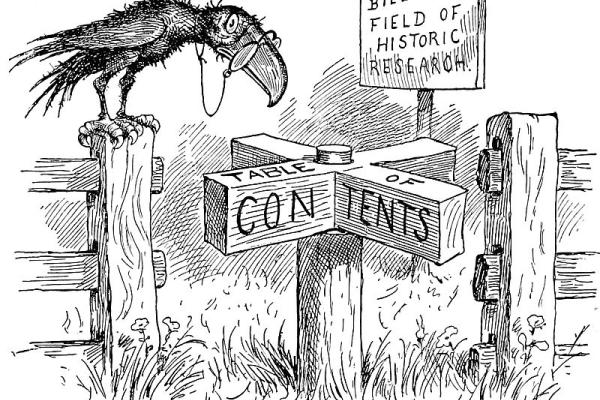
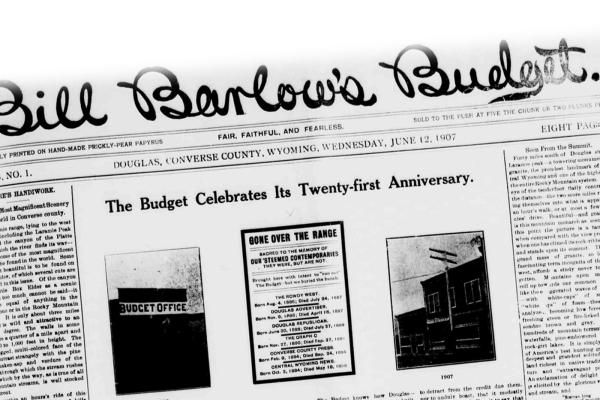
Journalist Merris Barrow arrived in Douglas, Wyo., in 1886 to treat readers to a newspaper “written to be read”—Bill Barlow’s Budget. It needled the powerful and tickled its readers, all while boosting the town. Barrow’s monthly Sagebrush Philosophy circulated nationwide. He died in 1910, just 53 years old.

Frontier newspaperman Asa Mercer began the controversial Northwestern Live Stock Journal in Cheyenne in the 1880s, backing stockmen’s interests. But when prominent cattlemen-vigilantes invaded Johnson County in 1892, he attacked them stridently in his paper and later in The Banditti of the Plains, the book for which he’s best remembered.

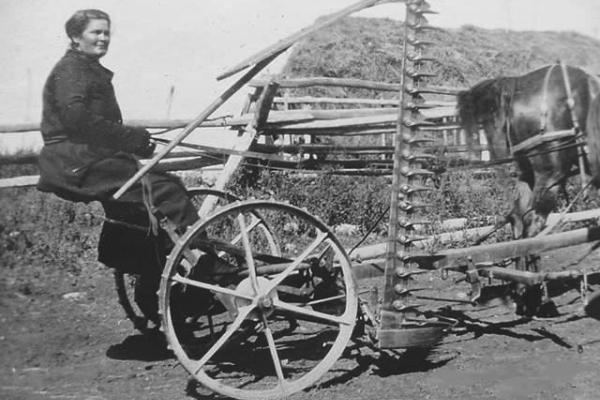
In 1909, Elinore Pruitt answered Burntfork, Wyo. rancher Clyde Stewart’s Denver Post ad for a housekeeper. She soon married Stewart and achieved her dream of becoming a homesteader. Her vivid letters about her experiences were published in the book Letters of a Woman Homesteader, bringing her nationwide fame. 

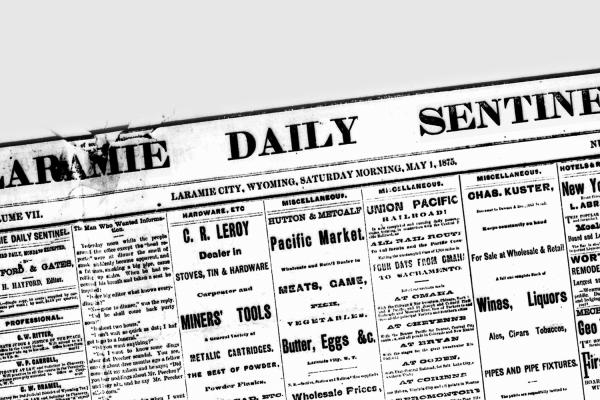
Skilled editor and moral crusader James H. Hayford ran the Laramie Daily Sentinel from 1869 until the paper, by then a weekly, folded in 1895. Eliciting reluctant admiration even from his most bitter rivals, Hayford and his paper were colorful, blistering, tireless and articulate.

Entertainers

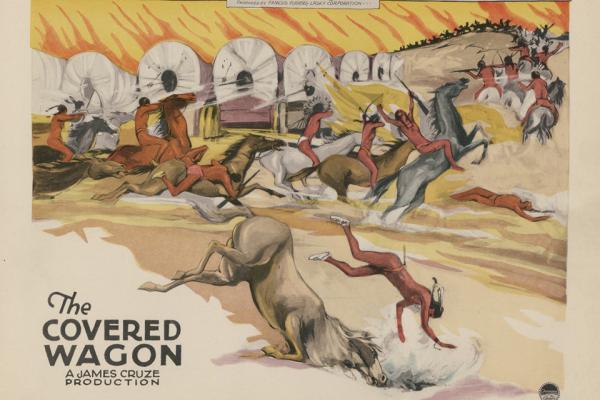
Continuing the tradition of Buffalo Bill’s Wild West show, Lander-based producer Ed Farlow and Hollywood actor Tim McCoy recruited members of Wyoming’s Arapaho and Shoshone tribes to perform in 1920s silent movies and to tour Europe to perform on theatre stages before the movies were shown.

Buffalo Bill Cody supposedly was just 14 when he made his thrilling, 322-mile ride for the Pony Express. In fact, it never happened. The staying power of the story, though, shows a great deal about the fiction-fact mix that makes Wyoming and the West what they are today.
Activists

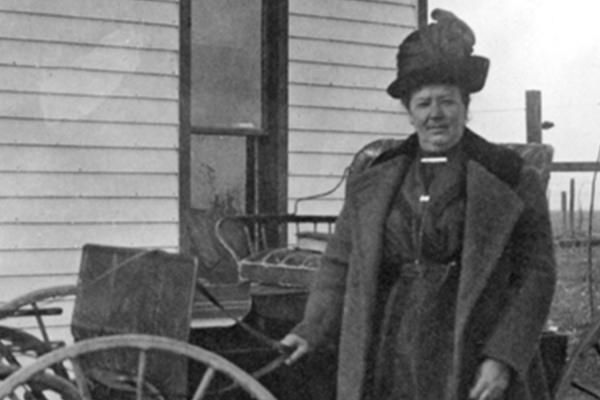
In 1871, Amalia Post of Cheyenne, Wyoming Territory, became one of the first women to serve on a jury in the United States. Soon, she began advocating for women’s rights on a national level. She was an independent businesswoman from the time her first husband abandoned her in Denver in the early 1860s, through her marriage to her second husband, Cheyenne banker and politician Morton Post and up to the time of her death in 1897.

On the morning of September 6, 1870, Wyoming women prepared themselves for a momentous day—the first election since the Territorial Legislature had passed the world’s first woman suffrage bill. Among the voters were women from Wyoming’s Black communities. They were the first Black women in U.S. history to vote.

According to newspapers at the time, Louisa Swain, 70, of Laramie, was the first woman in Wyoming Territory to cast a vote under the new law granting full suffrage to women.

Suffragist and temperance orator Theresa Jenkins delivered a key address at Wyoming’s statehood celebration on July 23, 1890. Later, she spoke widely in Colorado and other states, promoting Wyoming’s example in women’s rights, and spoke at the 1920 W.C.T.U. World's Convention in London.

Throughout his journalism career, Thermopolis newspaperman E. T. Payton’s episodes of mental illness landed him in the state’s mental hospital, where he and other patients suffered sometimes brutal treatment. He died there in 1933, but his whistleblowing helped change laws and improve conditions and care.

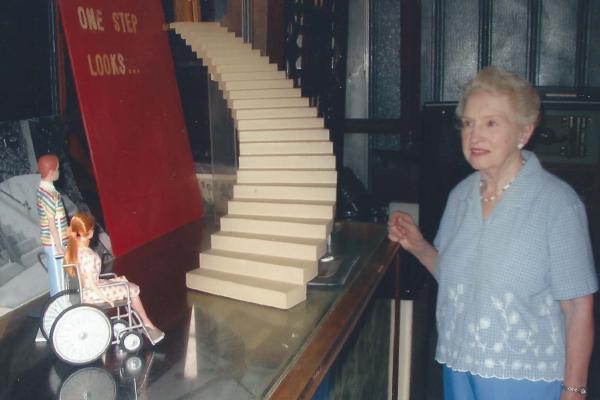
The Americans with Disabilities Act was far in the future when a group of Lusk, Wyo. residents first met to propose statewide legislation to make buildings, sidewalks and other public areas accessible for disabled people.

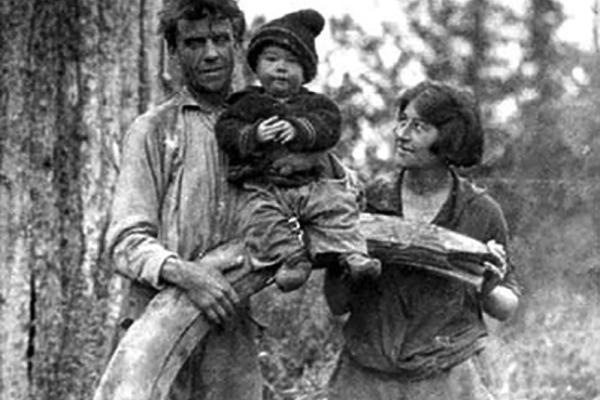
From their modest upbringings, Mardy and Olaus Murie became diligent, adventurous and charismatic leaders of the American conservation movement. With their siblings, Louise and Adolph Murie, they shaped conservation biology and ecology and are credited with some of our country’s most historic efforts to protect wild lands. The two couples split their time between remote Alaska and a ranch at the feet of the Tetons, where the Murie Center carries on their efforts today.

After flying combat missions in World War II, Tom Bell launched another battle—to preserve western lands. The founder of the Lander, Wyo.-based High Country News managed to keep the publication afloat and conservation in the minds of its readers. His legacy and the magazine continue today.

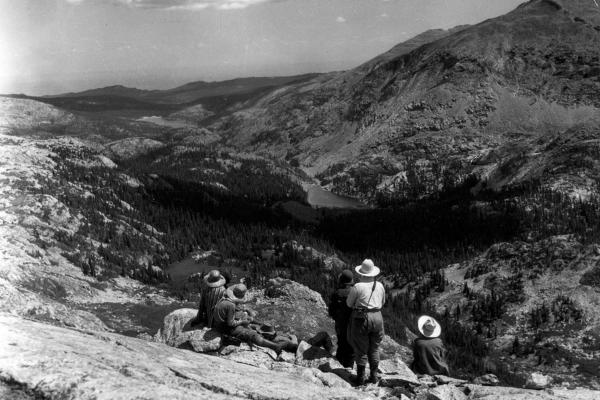
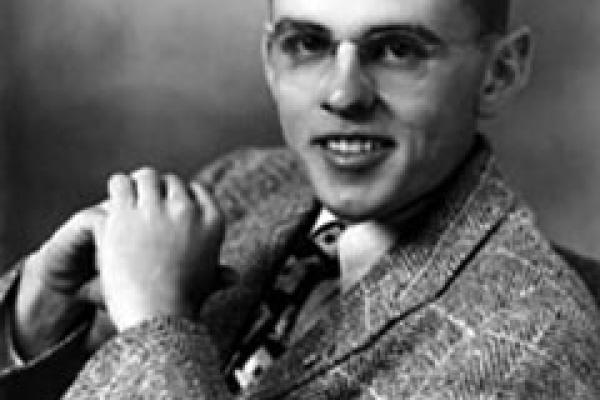
Howard Zahniser (1906-1964), a Washington, D.C.–based leader of The Wilderness Society, was the chief author of and lobbyist for the 1964 Wilderness Act. Much of his inspiration, and one of his earliest preservation victories, came at Lake Solitude in Wyoming’s Bighorn Mountains.

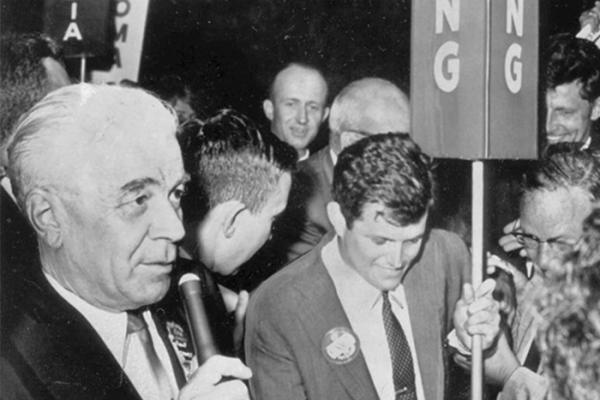
In March 1965, clergyman James Reeb, a graduate of Natrona County High School and Casper College, marched in Selma, Ala., with the Rev. Martin Luther King to protect black voting rights. Reeb was murdered soon afterward. Publicity surrounding his death helped move Congress to pass the Voting Rights Act later that year.

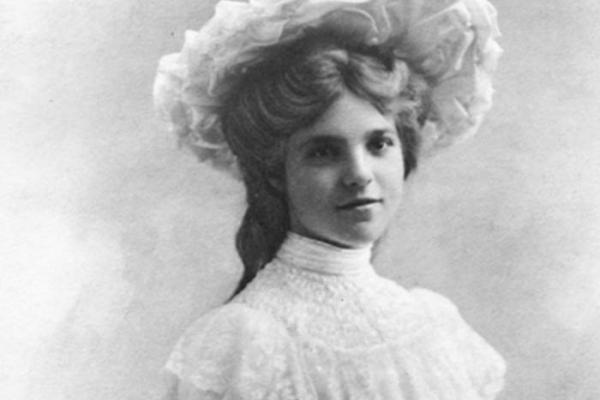
During the 1928 Smith-Hoover presidential race, WCTU activist Minnie Fenwick was quite clear where she stood on Prohibition. Former Wyoming Gov. Nellie Tayloe Ross, however, a ‘dry’ working hard for the ‘wet’ candidate, navigated a more complicated route.

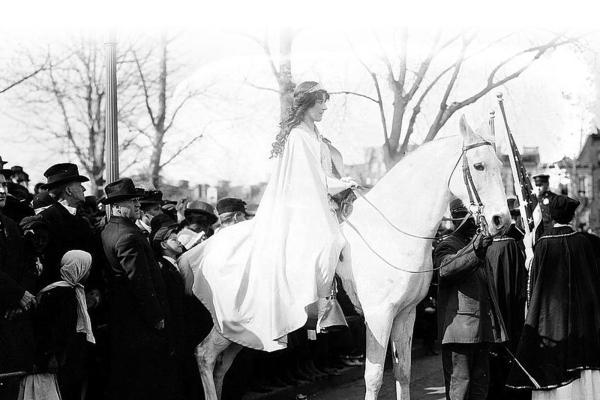
Turning heads and changing minds, Inez Milholland helped galvanize women nationwide in their long campaign for the vote. Years of persistent demonstrations—sometimes violently opposed—climaxed in 1916, just weeks before her early death, in a final speaking tour across Wyoming and the West.

Cultural Influencers

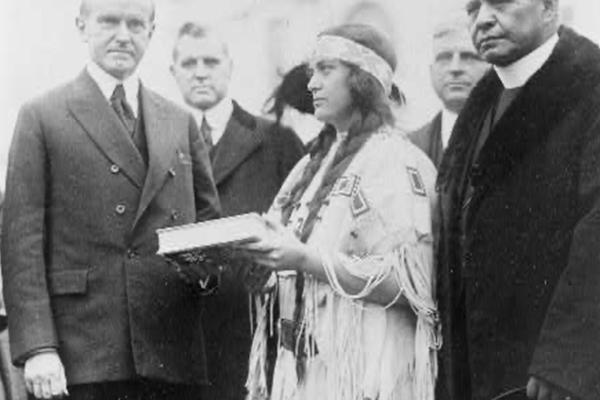
Sherman Coolidge, a Northern Arapaho adopted and educated by whites, served 26 years as an Episcopal priest on the reservation on Wind River. During that time, he largely allied himself with government over tribal interests. But later, active in the pan-Indian movement, he came to value preservation of Indian cultures over assimilation.

Three-time All-American Kenny Sailors, of tiny Hillsdale, Wyo. led the University of Wyoming’s 1943 men’s basketball team to an NCAA championship in Madison Square Garden. Sailors was only 5 feet 10, but he was a great jumper and shooter, and highly skilled with a weapon of his own invention—the jump shot.

Oral Histories

Charlotte Babcock, Casper College class of 1949, shares memories of her life—including stints as schoolteacher, flower-shop owner, book author and community-minded volunteer—with student interviewer Nichole Simoneaux in this March 2012 interview conducted at the college. 

Edith Thaxton, born in 1898, much later in life recalled the dances of her youth.

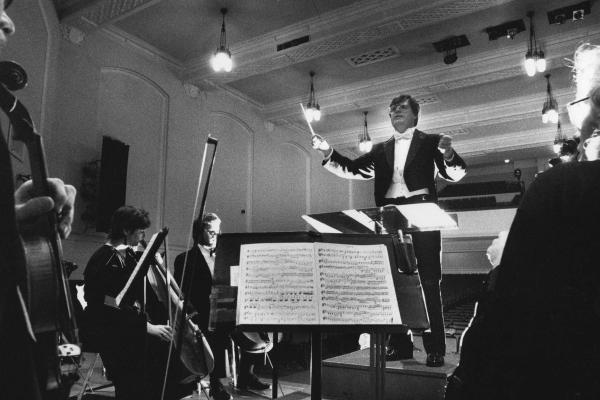
The Casper-based Wyoming Symphony Orchestra’s roots reach back to an all-amateur, no-budget ensemble of local musicians in the 1920s. Now, with a half-million dollar budget, an endowment fund and planned giving, the symphony performs difficult repertoire on few rehearsals—with a substantial number of its musicians from Colorado.

Lesson Plans