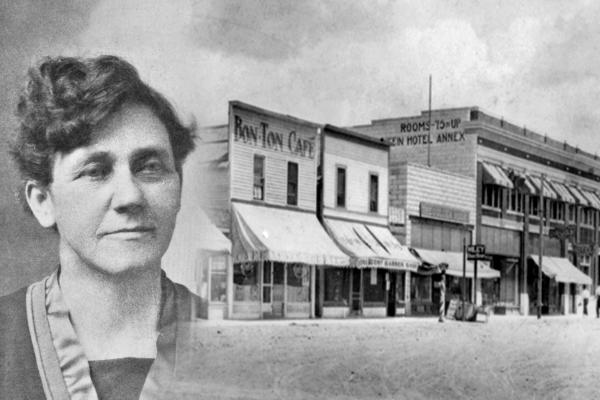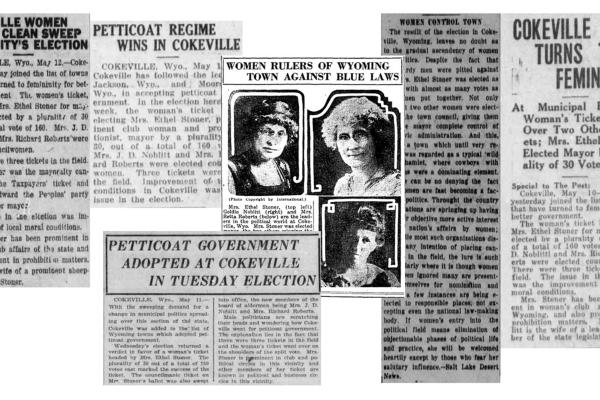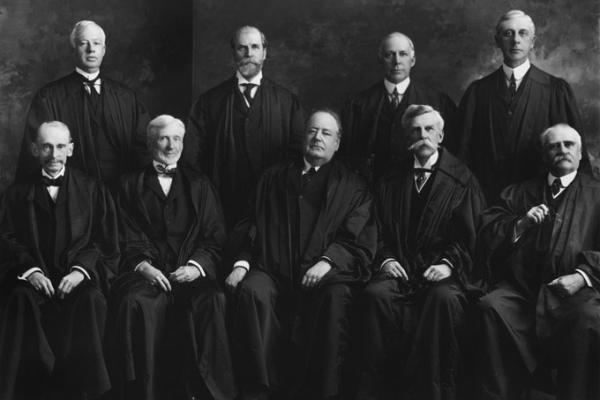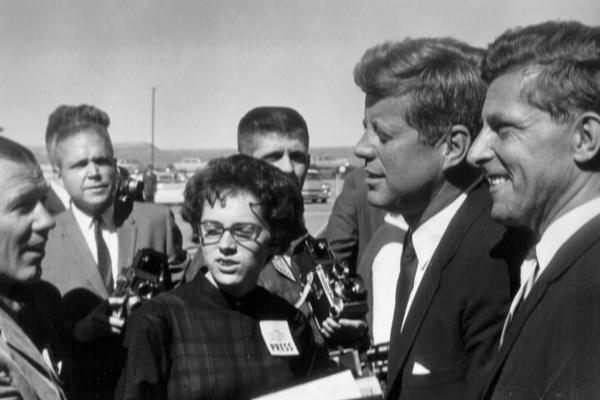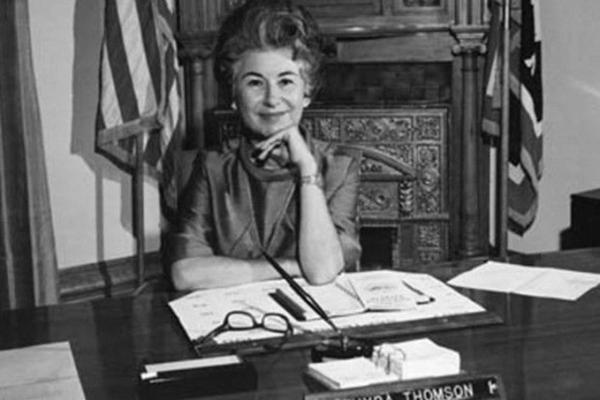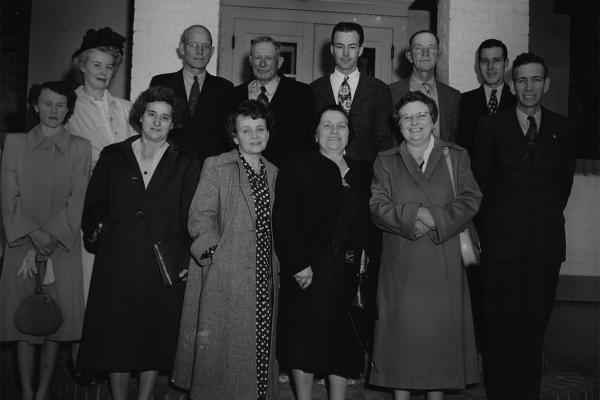
Wyoming’s political pioneers pioneered democratic innovations that transformed American governance. The territory became the first government in the world to grant women full voting rights in 1869, and women soon served on juries and held public office in ways that wouldn’t be recognized nationally for decades. Beyond suffrage, Wyoming developed innovative legal frameworks—from revolutionary water law that became a model for western states to constitutional structures balancing local control with state oversight. Infrastructure builders worked to connect Wyoming’s vast distances through political organization and essential services. These democratic and legal innovations created important precedents that would eventually benefit all Americans, even as the promise of equality remained incomplete.
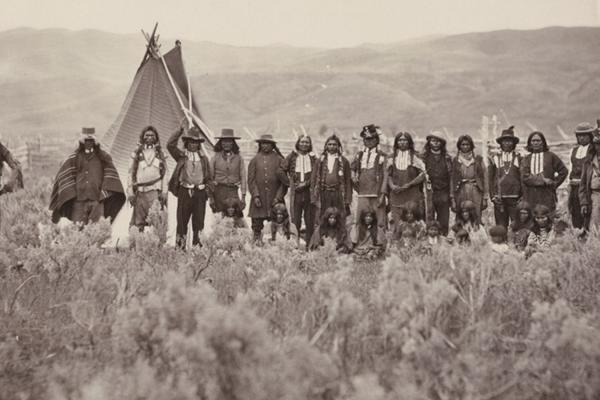
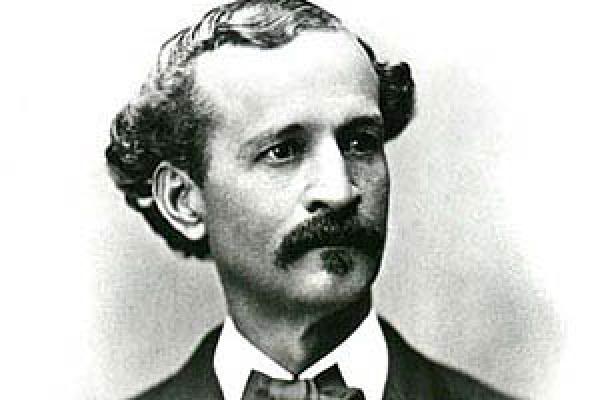
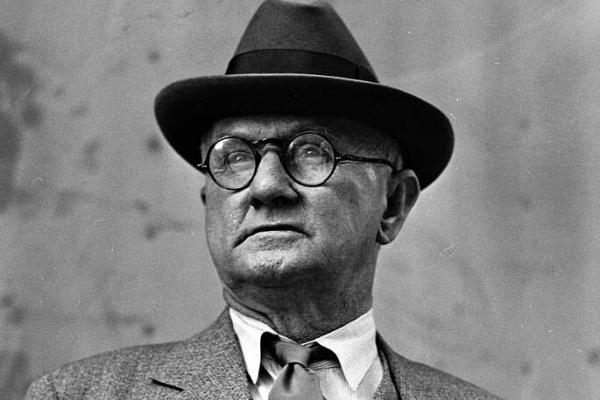
At the same time, Native American leaders faced extraordinary challenges as they worked to preserve their peoples’ survival, lands, and cultural identity during periods of profound disruption. Tribal leaders demonstrated remarkable diplomatic skill in negotiating with government officials, securing lands, and navigating complex politics while adapting to rapid change. Political founding figures came from varied backgrounds and represented different branches of government, different communities, and different eras—each contributing to Wyoming’s evolving democratic institutions and legal frameworks. Their legacy includes both genuine achievements in expanding political participation and the ongoing work of creating more inclusive governance.