Founding Figures in Economic and Civic Enterprise

Image
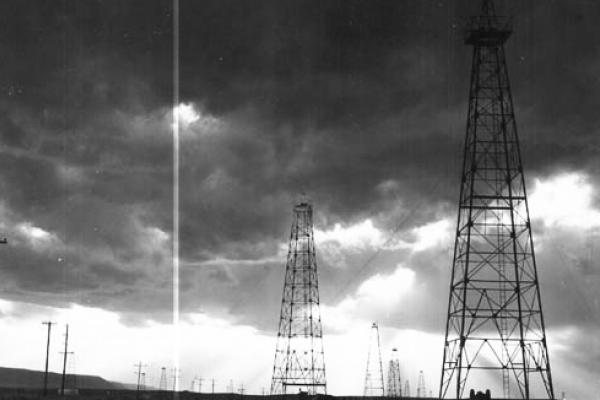
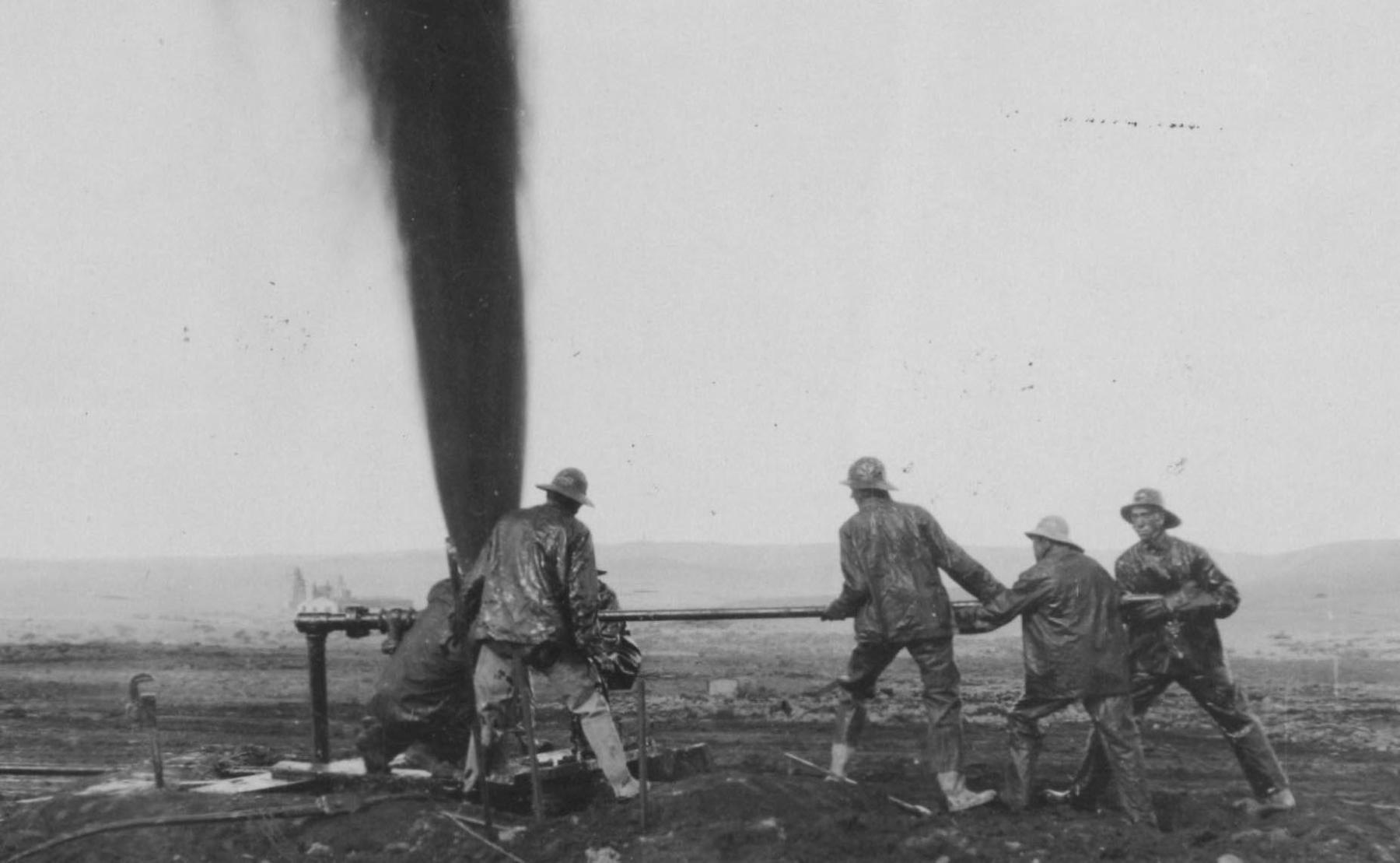
Workers capping oil gusher in the Salt Creek Oil Field, ca. 1915, Photo Files, American Heritage Center, University of Wyoming.

Wyoming’s economic development brought together entrepreneurs, workers, and settlers who built diverse industries. Mining and energy extraction provided steady employment for thousands of workers and their families, fueling Wyoming’s growth and contributing significantly to national energy needs. These industries faced challenges: boom-and-bust economic cycles created periods of hardship, working conditions could be dangerous, and competition for jobs sometimes led to tensions between different groups of workers, occasionally erupting into serious conflicts like the 1885 Rock Springs incident. 

Yet Wyoming’s economic founders also demonstrated remarkable adaptability and innovation—from early recognition of boom-bust volatility leading to the creation of the Permanent Mineral Trust Fund, to pioneering hydraulic fracturing techniques that unlocked vast natural gas reserves, to leadership in renewable wind energy. This legacy of innovation and adaptation continues to position Wyoming as a leader in American energy development.
Energy Industrialists: Coal, Oil & Gas

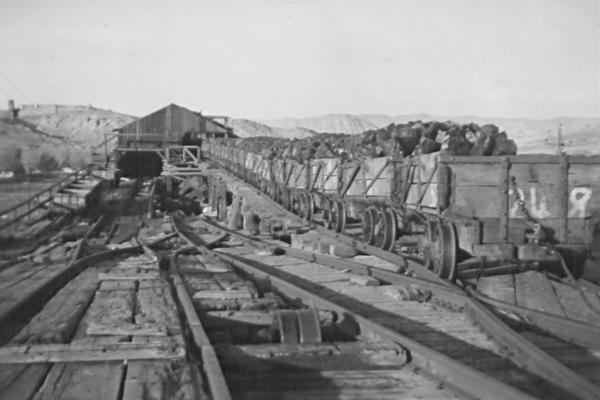
Sam Gebo, a brilliant capitalist and con man, developed coal mines in Montana, Alberta and Wyoming in the early 1900s. But his methods were fraudulent; he and seven of his partners were charged with crimes. But a new system of leasing federal coal grew out of the controversy—a system still in place today.

Black strikebreakers were imported to the company coal town of Dana on the Union Pacific line in February 1890, but may instead have joined a strike there against unfair pay. Their presence made Dana the only coal town ever in Wyoming with a Black majority. Later, many settled in Hanna and Rock Springs.

Natural gas has been flowing from the Jonah Field and Pinedale Anticline in western Wyoming since the early 1990s, bringing with it substantial profits, tax revenues, prosperity, social change, air pollution, and declines in local mule-deer populations. The story goes to the heart of Wyoming’s oil and gas culture, and raises important questions about energy production’s long-term costs and benefits.

City Boosters/Commerce

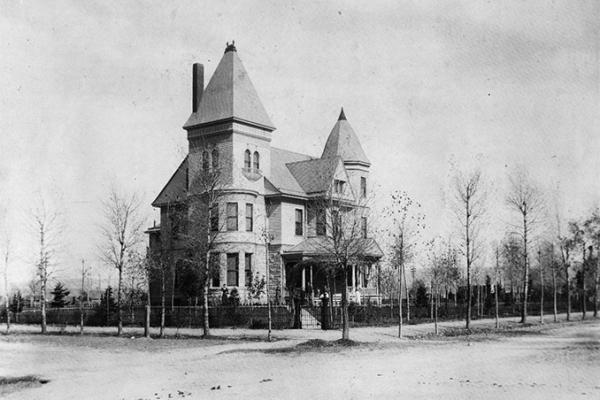
Edward Ivinson made a fortune in banking in Laramie, Wyo. in the 19th century. Late in life, he turned to philanthropy, making large contributions to benefit his town and community. His generosity funded a hospital, a cathedral, a home for aging ladies and an orphanage, all in Laramie.

The JC Penney Company, long among the world’s largest department store chains, traces its roots to a one-room shop in a small Wyoming coal-mining town at the turn of the last century. Penney’s career in Wyoming lasted just a decade, but in 1902, Wyoming provided exactly what young Penney needed to found a chain that has survived, as of 2011, for 109 years.

The great Wild West showman, Buffalo Bill, failed as a capitalist leading large irrigation projects in northern Wyoming but succeeded in founding the state’s tourist industry and his namesake town, Cody—where the tourist dollar still sustains life.

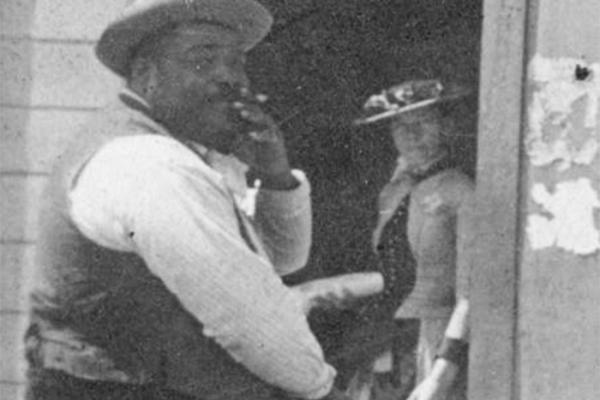
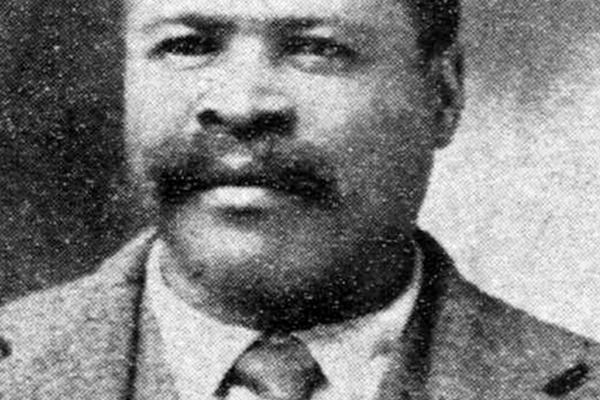
Mathew Campfield, African-American Union Army veteran, worked as a barber and was elected coroner of Natrona County, Wyo., in the early 1890s. Decades earlier, he froze both feet when he lived in Kansas and ever afterward walked on wooden ones. His Army pension records reveal a great deal about his life. 

Inventors

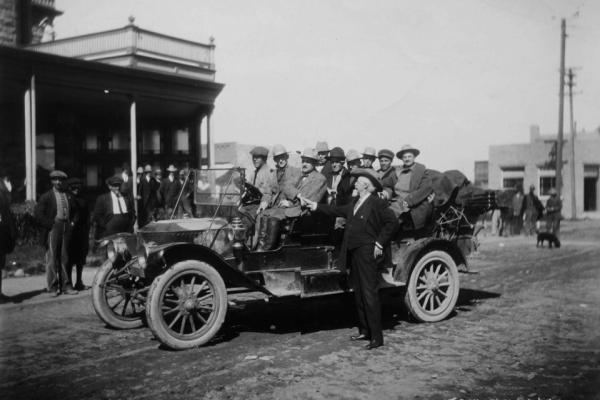
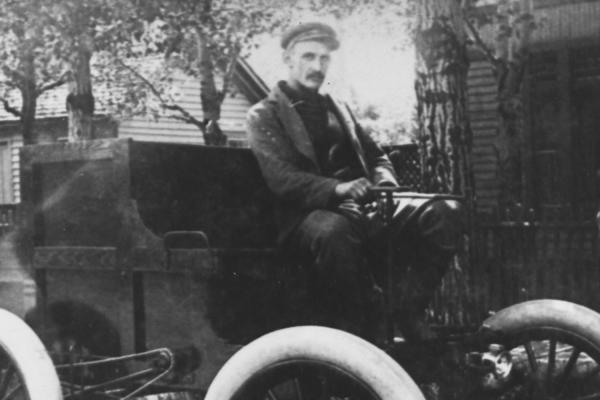
The automobile age arrived in Wyoming almost unnoticed. While the Spanish American War dominated headlines, Elmer Lovejoy was building Wyoming’s first car in his Laramie bicycle shop during the winter of 1897-98. Townspeople thought the machine an “interesting toy,” but Lovejoy stuck with his tinkering, with some surprising long-term results.

Medical Professionals

Lillian Heath, Wyoming’s first woman physician, practiced medicine in and around Rawlins, Wyo., beginning in 1893. As a teenager, she trained with Union Pacific Railroad surgeon Dr. Thomas Maghee, and assisted Maghee and Dr. John Osborne in their post-mortem investigations into the brain of outlaw Big Nose George Parrot. Later she won a medical degree from the College of Physicians and Surgeons in Keokuk, Iowa, where she specialized in obstetrics. She retired after 15 years of practice, but remained keenly interested in medicine until her death in 1962.

Oral Histories

In 1905, Caroline Fuller came to Thermopolis, Wyo., and entered a field usually reserved for men—dentistry. How she came to take dental impressions and pull teeth for sheep barons and cowboys in remote parts of Wyoming is only one phase of her interesting life.

Lesson Plans