Founding Figures in Education

Image
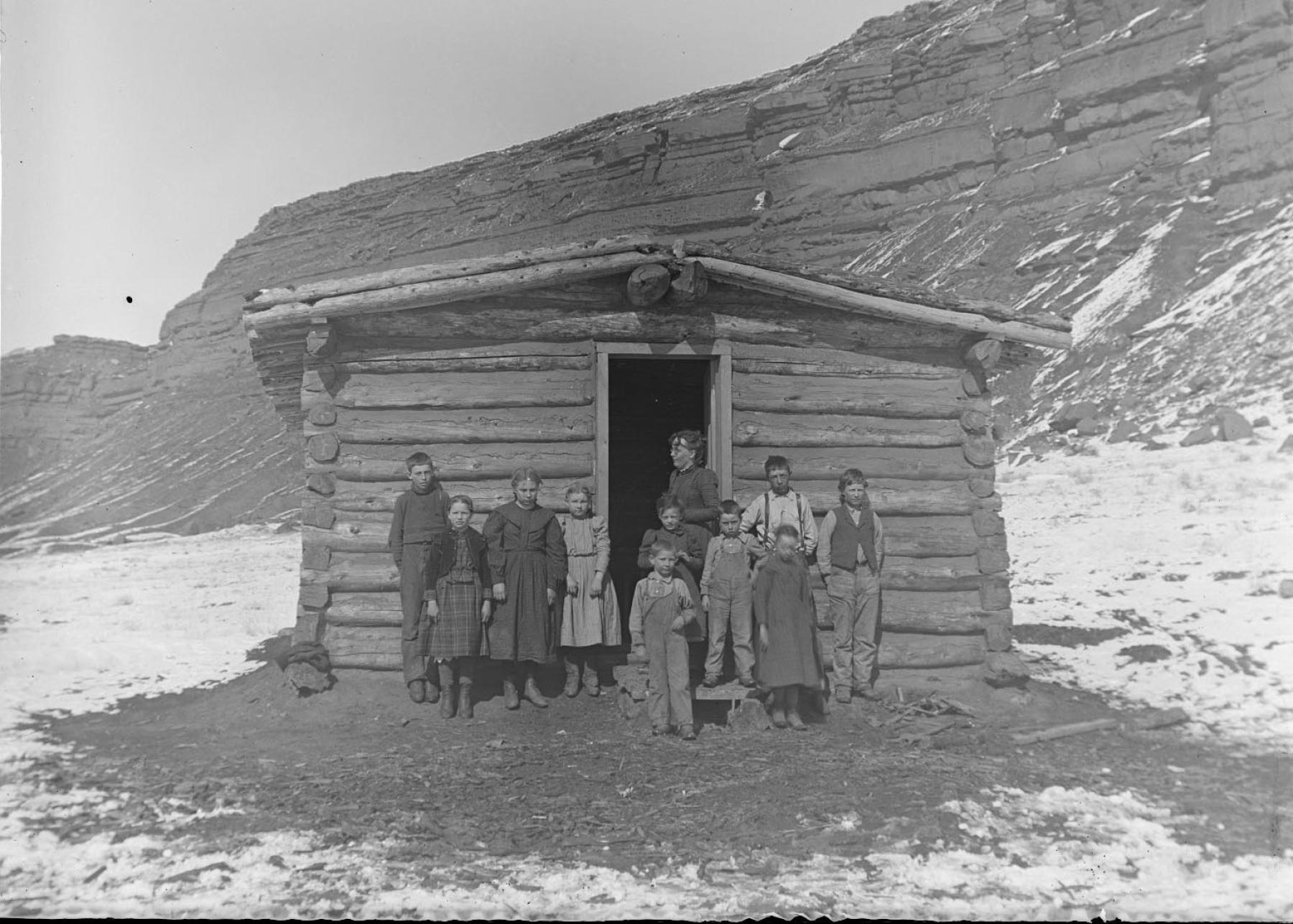
black and white photo of a one-room log building with ten children and a women standing out front.
Schoolhouse at Beaver Creek, March 1899. L.R.A. Condit papers, American Heritage Center, University of Wyoming.

Educational pioneers built institutions and advanced knowledge across Wyoming. From one-room schoolhouses to territorial schools, the University of Wyoming, and later community colleges, educators broke barriers and shaped the state’s development. Teachers, administrators, professors, and researchers achieved recognition in diverse fields while working at all educational levels. Students overcame significant barriers of geography, poverty, race, and gender to pursue their education, with many going on to distinguished careers. Education extended beyond formal classrooms—informal educators, local historians, and community leaders also taught Wyoming’s history and values through storytelling, mentorship, and advocacy.

These educators’ contributions reflect both achievements and inequalities. While they expanded knowledge and opened doors for some, they also worked within systems that limited opportunities for others, including policies that promoted cultural assimilation. Controversies over educational access and equity, including protests and civil rights movements, shaped Wyoming’s educational landscape and pushed institutions toward greater inclusion. Understanding both accomplishments and constraints provides important context for Wyoming’s ongoing educational development.

Articles

Educator Estelle Reel fought hard to obtain the Republican nomination for Wyoming superintendent of public instruction in 1894, after which she became the first woman in Wyoming elected to a statewide office. In 1898, President McKinley named her national superintendent of Indian schools.

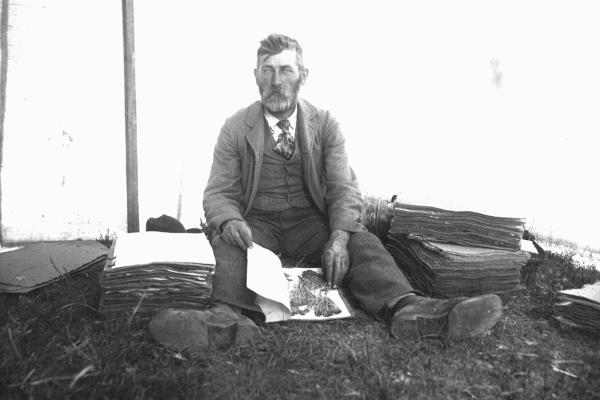
Aven Nelson, one of the University of Wyoming’s original faculty, became a world famous botanist. He founded the Rocky Mountain Herbarium on campus, which contains 1.3 million plant specimens from throughout the world. From 1917-1922, he served as university president, but was happy to return to botany when he got the chance.

Carrie Burton Overton, the first female African-American student at the University of Wyoming, triumphed over poverty and race prejudice in the course of her long life. After training as a stenographer at UW, she earned music diplomas from Howard University and the Juilliard School and, later, bachelor’s and master’s degrees from Columbia University. 

Emma Knight, the University of Wyoming’s first dean of women, bore four children and served seven years as the Albany County, Wyoming superintendent of schools before she finally graduated from the university in 1911, the same year as her daughter. The wife and mother of UW professors of geology—Wilbur and Samuel H. Knight—she was highly regarded by her students and colleagues. Knight Hall on the UW campus is named in her honor.

Civil engineer, librarian, athlete, professor and historian, Grace Hebard gained early power at the University of Wyoming, serving on its board of trustees and later its faculty over a 40-year career. Though many scholars now question her scholarship, she remains best known for her books on Wyoming’s past. 

Scientist, scholar and poet June Etta Downey, an internationally recognized expert in personality testing, was longtime head of the University of Wyoming psychology department. She published seven books and scores of articles, and served on the UW faculty for 34 years before her death in 1932. 

The Welsh-born Episcopal priest John Roberts arrived in 1883 at Fort Washakie on what’s now the Wind River Indian Reservation in Wyoming, became a friend of the Shoshone chief Washakie, and served the Shoshone and Arapaho people with a loving paternalism well into his old age. John Roberts died in 1949.

Samuel H. “Doc” Knight taught geology at the University of Wyoming in Laramie, Wyo. from 1916 until his retirement in 1963. For a decade he was the only geology teacher, but as his classes began to grow in size and popularity the geology department expanded into a nationally recognized program. He established the university’s science camp in the mountains west of Laramie and revitalized the university’s geological museum. Knight taught an estimated 10,000 students throughout his career and was known to many “Mr. Geology of Wyoming.”

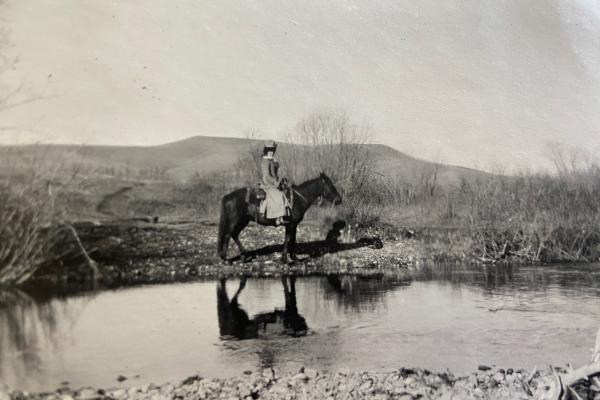
Historian, botanist, teacher and rancher Vie Willits Garber grew up in Big Horn and in 1910 earned a master’s degree in two disciplines from the University of Wyoming. She was the first person to carefully map and document the route of the Bozeman Trail—and she identified and listed 615 plants in the Little Goose Valley near her family’s home.

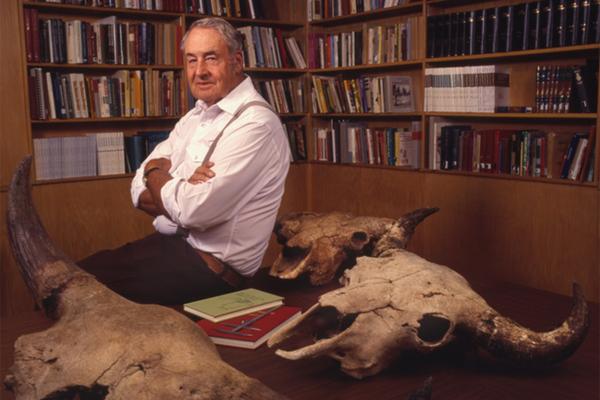
Longtime University of Wyoming archaeologist George Frison’s thinking about ancient bison kill sites was deeply informed by his early life as a hunter and rancher. Over a long career Frison won the affection and respect of students and colleagues; his many awards included election to the National Academy of Sciences.

Samuel H. “Doc” Knight taught geology at the University of Wyoming in Laramie, Wyo. from 1916 until his retirement in 1963. For a decade he was the only geology teacher, but as his classes began to grow in size and popularity the geology department expanded into a nationally recognized program. He established the university’s science camp in the mountains west of Laramie and revitalized the university’s geological museum. Knight taught an estimated 10,000 students throughout his career and was known to many “Mr. Geology of Wyoming.”

Oral Histories

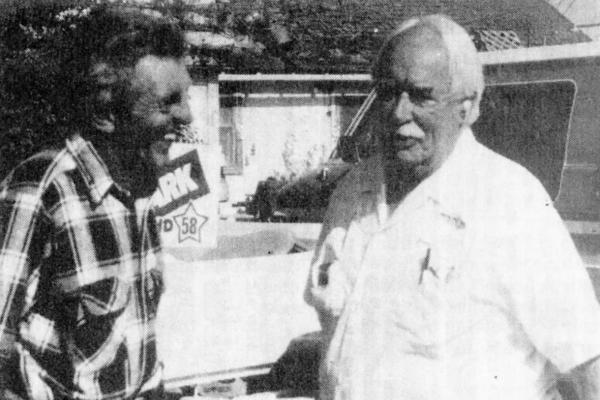
Former sheepherder, ranch foreman and schoolteacher Henry Jensen was past president of Wyoming’s historical and archeological societies. One day in the early 1990s he and Casper science teachers Dana Van Burgh and Terry Logue drove southwest from Casper to Devil’s Gate, noting all kinds of geology, archeology and history along the way. 

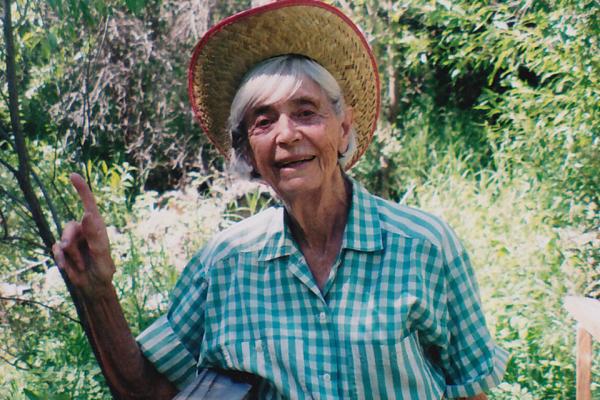
Oleta Thomas often visited the Heart Mountain relocation camp as a teenager during World War II, when her father had a job there. In this 2012 interview she remembers those times and later ones as a home ec teacher in 1950s Cody and a massage therapist in Casper since the 1980s.                    

LeRoy Strausner served as the fourth president of Casper College from 1991-2004. In September 2013, Dana Van Burgh interviewed him at the facility’s Western History Center about his life and his long career at the college.

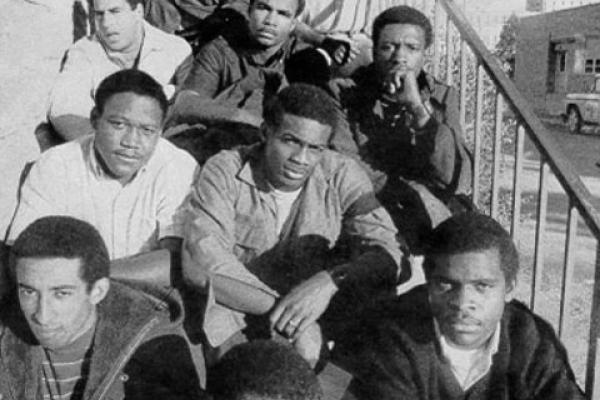
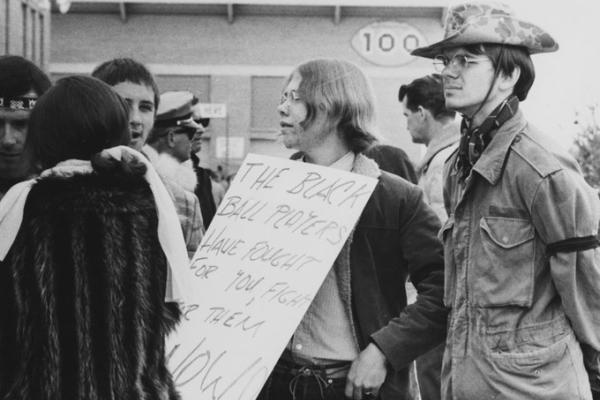
In October 1969, University of Wyoming Head Coach Lloyd Eaton dismissed 14 black football players from his team when they showed up at his office wearing black armbands over their street clothes, to protest what they saw as racist policies of Brigham Young University. The incident sparked widespread controversy and swung the national news spotlight on Wyoming.

Lesson Plans