Founding Figures in Agriculture

Image
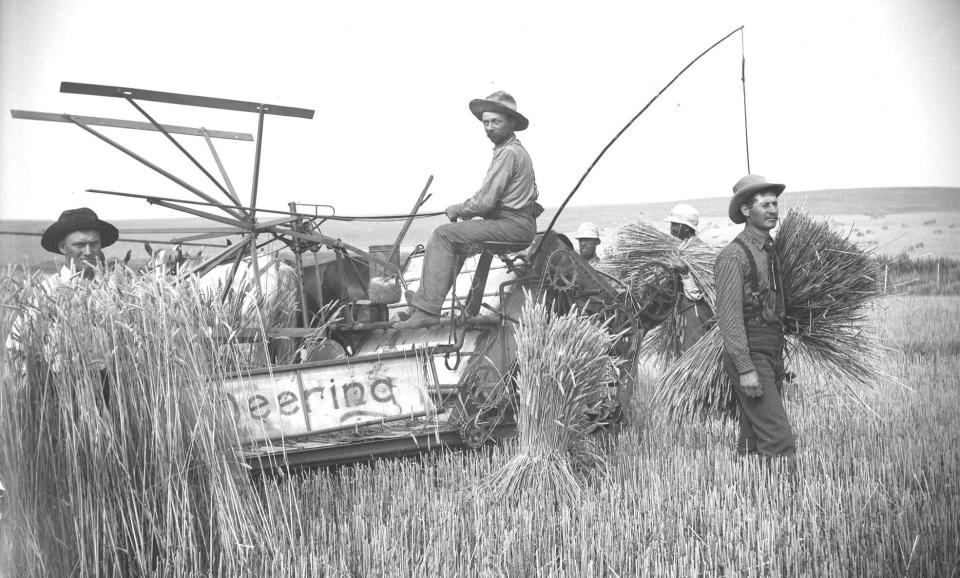
Five men in a wheat field threshing sheaves of wheat with an antique thresher
Harvesting wheat at the Sheridan Agricultural Experiment Station, 1895. B.C. Buffum papers, American Heritage Center, University of Wyoming.

Agricultural pioneers transformed Wyoming’s landscape and economy, establishing ranching and farming operations that became the foundation of rural communities. Ranchers and farmers adapted their practices to Wyoming’s challenging climate and terrain, developing innovative approaches to water management and irrigation. These agricultural founders came from a variety of backgrounds—homesteaders, investors, immigrants, and families of all races working to build sustainable livelihoods. Women played crucial roles as ranchers, homesteaders, and farm managers, often running operations independently.

Agricultural development brought both opportunity and significant changes to the land. The expansion of ranching and farming created multi-generational family businesses and vibrant rural communities, but also displaced wildlife, altered ecosystems, and conflicted with Indigenous land use. The agricultural sector faced constant challenges from harsh weather, economic fluctuations, and conflicts over land and water rights, yet demonstrated remarkable resilience. Understanding both the achievements of Wyoming’s agricultural pioneers and the costs of agricultural expansion provides important context for the state’s rural heritage and ongoing agricultural economy.
Articles

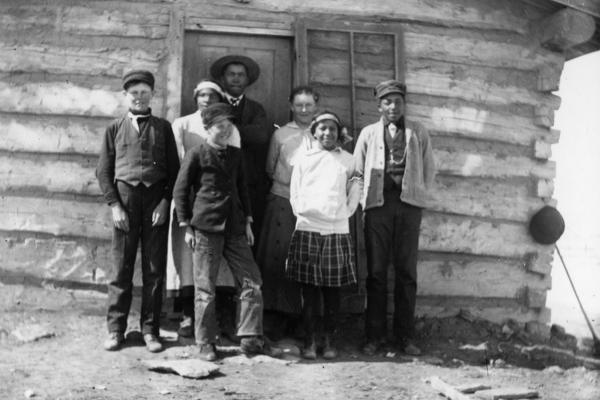
Starting in 1900, African-American homesteader Alonzo “Lon” Stepp built a prosperous ranch of about 1,700 acres on the Green River in Lincoln County, where Fontenelle Reservoir is now, triumphing in an era and a region where few blacks could claim such achievement. His descendants still live in the area.

John B. Kendrick rose from poverty to great wealth and later to the pinnacle of political power. He arrived in Wyoming Territory in 1879 with a Texas trail herd, and by the early years of the 20th century was running his own ranches and a local bank. A Democrat, he was elected governor in 1914, and later served three terms in the U.S. Senate. There he worked tirelessly on irrigation, land use, and protection of natural resources. With humor, charm, broad intelligence and a willingness to work with political opponents, he became a model for long-term success as a Democrat in a Republican state.

The 1880s cattle boom seemed to promise a rich future for Alexander Swan, who amassed 4.5 million acres in southeastern Wyoming to graze 100,000 head. His extravagant tenure ended quickly—but the ranch lasted generations.

The vivid, charismatic J. B. Okie raised sheep near Badwater Creek at the turn of the last century, and was so successful he was called “Sheep King.” A businessman with great vision, he soon owned half a dozen stores in small towns in central Wyoming, and eventually an equal number in Mexico. Lost Cabin, Wyo., named for the legendary Lost Cabin Mine, was his base. Okie built an opulent mansion there, a big bunkhouse for employees, bungalows for guests, an office building, a roller rink, a golf course and an aviary full of birds of paradise (left), cockatoos and macaws.

In 1878, the enterprising Otto Franc described Wyoming as “the finest & wildest country . . .  abounding with fish & game.” From conflicts with rustlers through the beginnings of irrigation and the end of the open range, his huge Pitchfork Ranch came to dominate Wyoming’s Bighorn Basin.

Two years after they were married in 1910, a Lander bank took almost everything from John and Ethel Love’s sheep ranch in central Wyoming. Still, despite floods, blizzards, wild dogs, rattlesnakes, barbed-wire cuts and the Spanish Influenza the family remained—and Ethel, in her letters and journals, kept track.

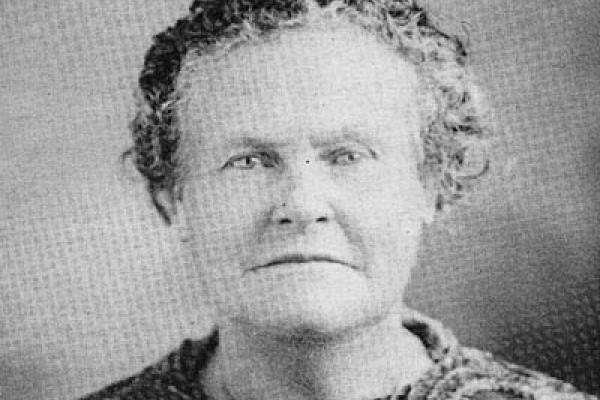
Lucy Morrison Moore, “The Sheep Queen of Wyoming,” was a leading sheep producer during the heyday of public-land sheep ranching from the 1880s to 1920s. Smart, tough and slightly eccentric, she and her family survived brutal, isolated conditions and attacks from cattle ranchers.

Oral Histories

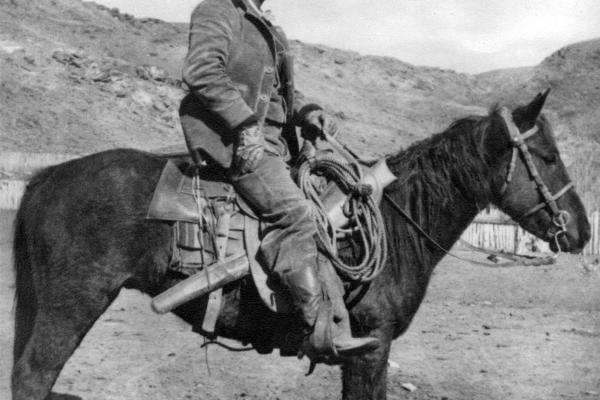
Frank Shepperson has ranched with his family northwest of Casper, Wyo., for many years. In this 2014 interview, Shepperson, a former national rodeo champion, talks at length about rodeo, ranching—and airplanes. He is a past president of the Wyoming Stock Growers Association and former chairman of the Natrona County School Board.