Wyoming Cowboys Have a Hall of Fame—and Now a Place to Visit
By the Wyoming Cowboy Hall of Fame and the Rockpile Museum
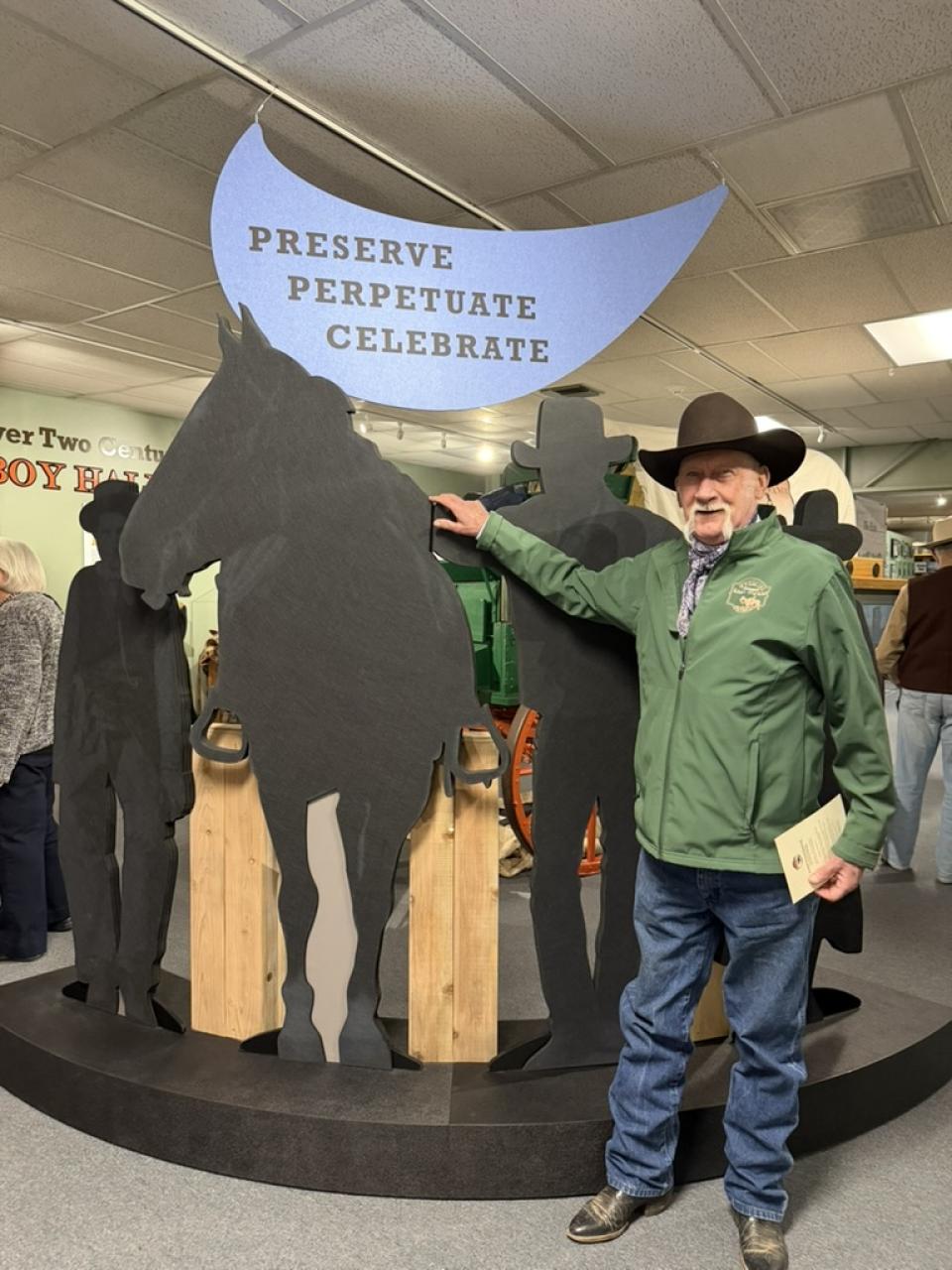
The Powder River Basin has been cattle country for a long time. In the early 1880s, cowboys poured into the Powder River country to work ranches worth a cumulative $12 million, driving herds north from Texas to fatten on the region’s grass. The brutal winter of 1886–1887 ended the open-range boom, but ranching never left northeast Wyoming—it adapted, scaled down, and kept going. The Powder River Basin is still cowboy country today.
Which makes Gillette a fitting place for the Wyoming Cowboy Hall of Fame to plant a flag.
On April 25, 2026, the Hall of Fame opened a permanent exhibit at the Rockpile Museum of Campbell County. It’s the first time the organization—founded in 2013 to honor individuals who shaped Wyoming’s cowboy heritage—has had a physical home for the public to visit. More than 450 people have been inducted since the founding, their stories preserved in the Hall of Fame’s records. Now those records have somewhere to live.
“This exhibit represents the heart and soul of Wyoming,” said Candy Moulton, the Hall of Fame’s Executive Director. “It tells the stories of the men and women whose grit, skill, and long years in the saddle shaped our state's cowboy traditions.”
The exhibit draws on both institutions’ collections. The Rockpile Museum contributed new interpretive elements built around its own holdings: a branding iron helix, working saddles, and cowboy clothing that connect visitors to the physical reality of ranch life. Alongside these are the Hall of Fame’s artifacts, photographs, and video displays. Together they cover the range of skills that defined the working cowboy’s year—riding, roping, branding, moving cattle across country, and keeping livestock alive through a Wyoming winter. Those skills weren’t romantic when they were practiced; they were the labor that built the state’s early economy.
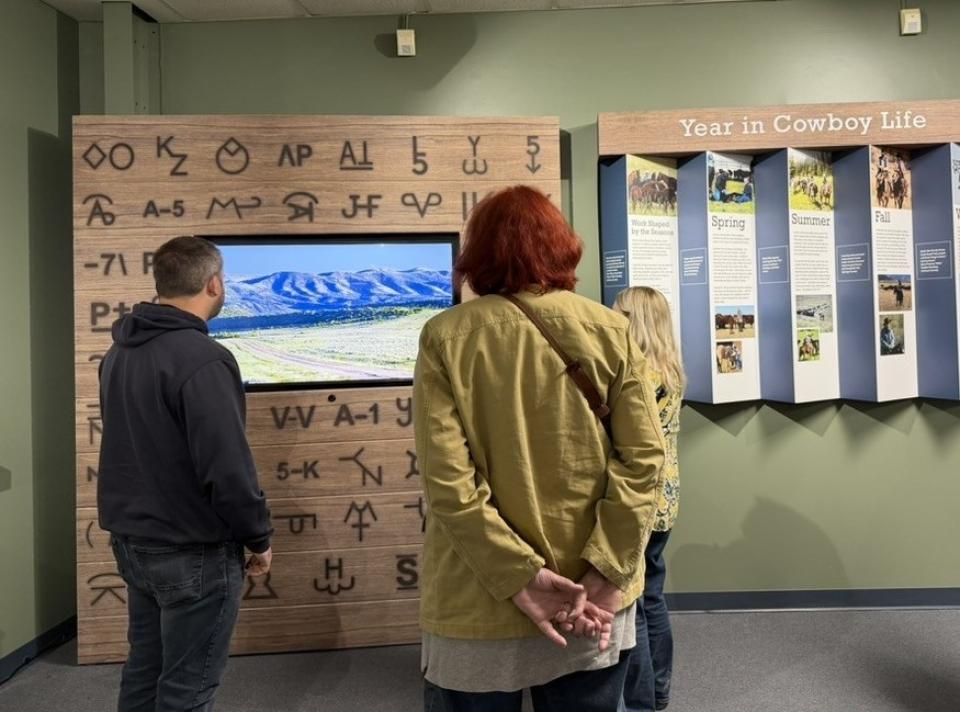
“The Powder River Basin is cowboy country and sharing that rich agricultural heritage is part of our mission,” said Rockpile Museum Director Robert Henning. “We invite everyone around the state to visit the new exhibition and help us honor that heritage and the cowboys and cowgirls whose hard work helped build this state into what it is today.”
The exhibit also fits into a broader statewide conversation about Wyoming’s history as the nation approaches its 250th anniversary. Funding came in part from a Wyoming 250 Task Force grant, along with donations from livestock brand owners across the state and the Hall of Fame itself. Wyoming’s cowboy culture didn’t spring from nowhere—it grew out of specific historical forces, from the Texas ranching system that moved north after the Civil War, to the open-range roundup districts that organized ranching across Wyoming Territory in the 1870s and 1880s, to the smaller, harder operations that survived after the big cattle boom collapsed. The men and women the Hall of Fame recognizes are part of that long line.
The Wyoming Cowboy Hall of Fame exhibit is on permanent display at the Rockpile Museum of Campbell County, 900 W. 2nd Street, Gillette.
All photos courtesy of the Rockpile Museum.