A Woman’s Place Was on the Railroad: Myrtle Forney in WWII Wyoming
By Leslie Waggener
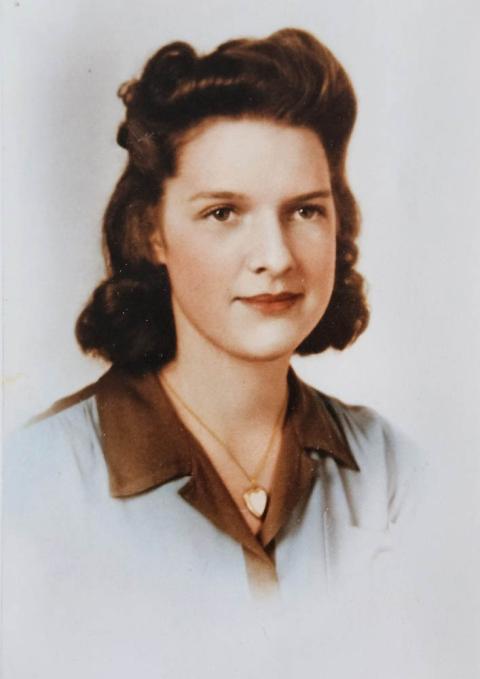
In July 2024, Sally Meeker sat down at Laramie County Community College in Cheyenne to share her mother’s story as part of the “Life Between the Rails: An Oral History of the Union Pacific Railroad.” The project was conducted by the American Heritage Center at the University of Wyoming.
Myrtle Ruth Mason was born in 1924 near Elgin, Nebraska, the second oldest of 11 children. Growing up on a farm, she was a tomboy—running, climbing, playing baseball and basketball. “She told me she was half court in bloomers,” Sally recalled with a laugh. At 5’11”, Myrtle stood tall among her peers.
When the family moved to Texas in 1938, 14-year-old Myrtle adapted to yet another change. Within five years, she was working at Western Union in Waco, earning $20 a week after three promotions. When she heard there might be work in Omaha where her father had gone, she took the train north.
But there was no Western Union job waiting for her.
Sally read from her mother’s unpublished memoir during the interview, sharing Myrtle’s own words about what happened next. After finding a place to stay by babysitting and fixing breakfast for a family, Myrtle discovered something in the newspaper: “the opportunity to attend a free telegraphy school for a three month course, to prepare me for being a telegraph operator for the Union Pacific Railroad.”
After just two months of classes, the instructor called for volunteers. Three women were needed to staff Sherman Station, “just south of Ames Monument, the highest point of the Union Pacific Railroad.” Myrtle wrote: “I jumped at the chance to start at the top.” Sherman Station, located between Cheyenne and Laramie, sat at an elevation of 8,247 feet.
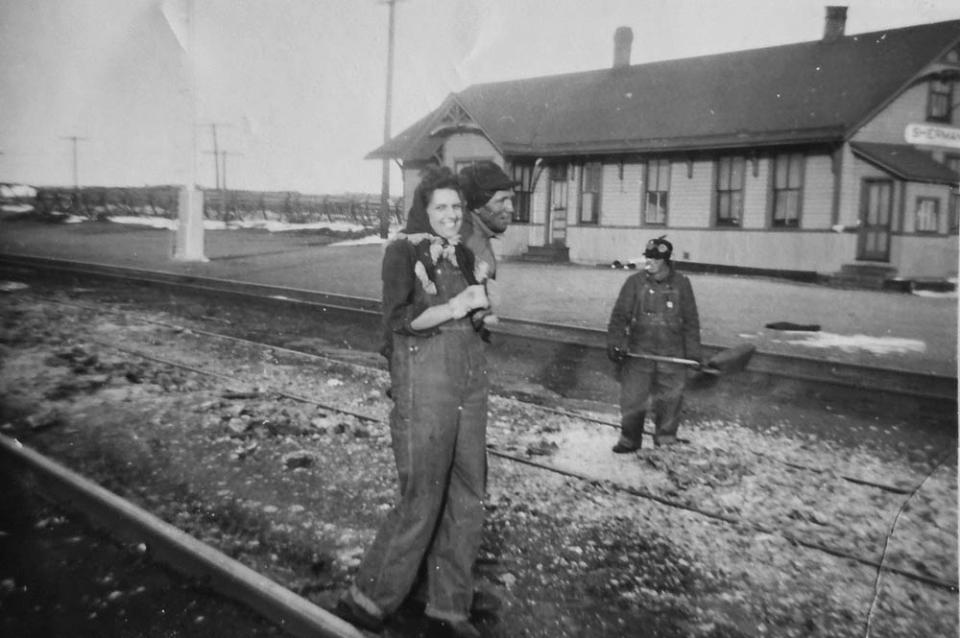
The context was crucial. “It was World War II and men were at war,” Sally explained. “Otherwise, they would’ve been covering that job.” Women stepped up to fill positions traditionally held by men. What made this significant, Sally noted, was that Myrtle “received a man’s salary. She commented several times through her autobiography that she was making equal pay with a man at that time.”
But what awaited Myrtle at Sherman was a shock. “We had outdoor privy, coal stoves for heat and cooking, bathing in an old wash tub, and carrying water from an outside pump across the tracks,” Myrtle wrote. When the moving truck arrived with furniture, they “actually considered not unloading it, but returning at least to Cheyenne.”
Working the “third trick”—the third shift—Myrtle opened an office closed for 30 years. A section man and his schoolteacher wife lived in the waiting room, and to hand orders to train crews, Myrtle had to walk “right through their bedroom.”
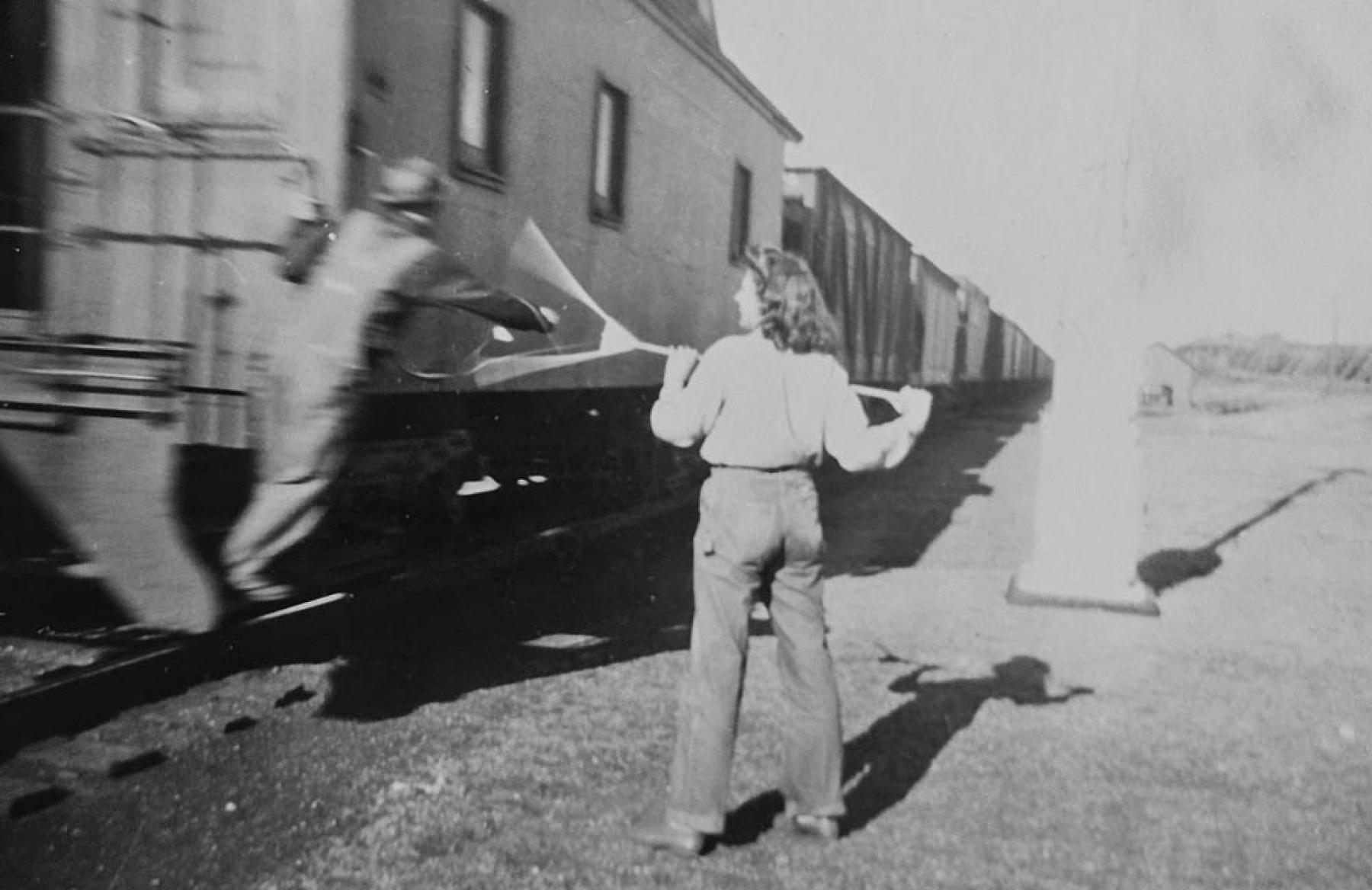
The work was relentless—seven days a week, groceries ordered from the company store in Omaha. “Business was very heavy because of World War II,” Myrtle noted. Sally remembered her mother talking about bright spots: “The train crew was so friendly and they would throw off chocolate, and the troop trains came through and all the troops would hoop and holler.”
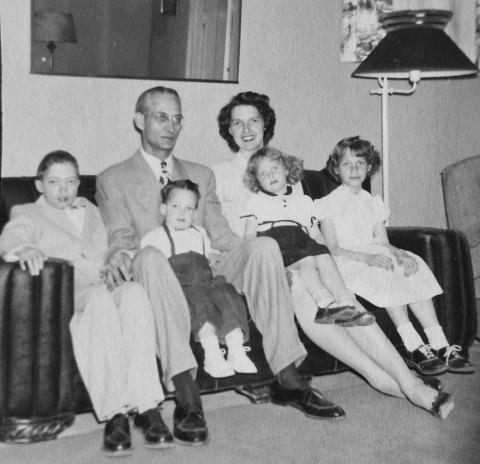
After two years at Sherman, Myrtle bid for a Union Pacific job in Laramie. There she met George Washington Peterson, a UP yardmaster who had started with the railroad as a call boy in 1936. “Three months later we were married,” Myrtle wrote. “Did I make the right choice in 1943? You bet I did. I have many interesting stories to tell of my three year career in the railroad, which led to the best 19 years of my life.”
George died young—just 48—from a heart attack. Myrtle later remarried and became Myrtle Forney, living into her 90s. Reflecting on Myrtle’s experience, Sally said: “My mother had the opportunity to do a job that men normally do and really be in an environment that gave her an opportunity to be a strong woman but still be a woman.”
In 2024, the year of Sally’s interview, Myrtle would have turned 100—a fitting time to remember the women who answered the call when their country needed them most, earning equal pay and proving they could handle any challenge the railroad threw at them.