A New Book Tells Wyoming's Story Through 76 Objects and Places
By Paul Flesher, Director, American Heritage Center, University of Wyoming
Did you ever want to know more about the history of Wyoming—the state we all know and love—in an accessible way? If so, then Wyoming’s History in 76 Objects and Places: Taking Stock at America’s 250th Anniversary is the book for you. The volume dives into the state’s history and brings the best moments and accomplishments to light—by connecting them to 76 historic objects and places. Turning its pages, you will discover obvious choices—with new insights—and hidden historical gems.
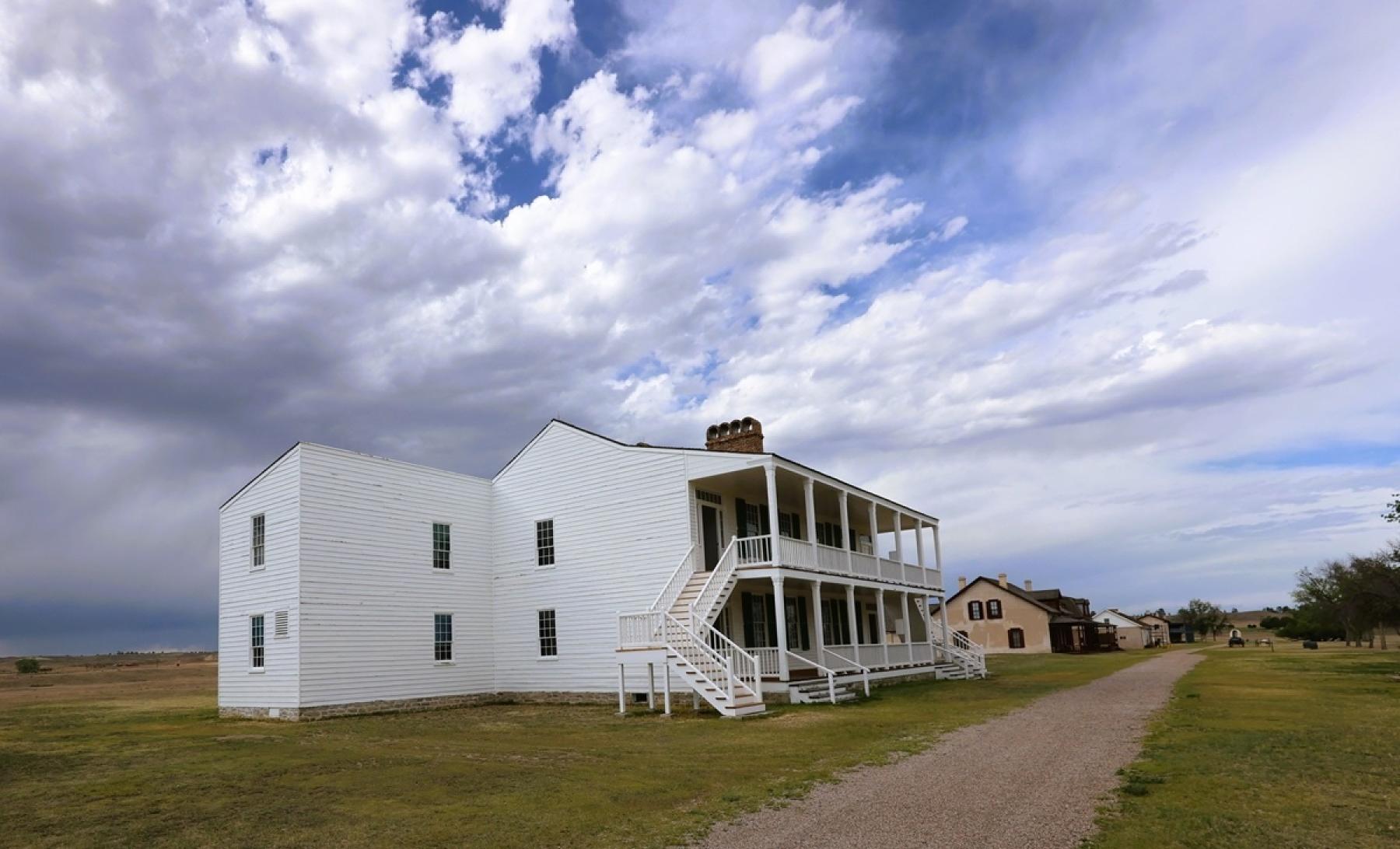
This is a different kind of history book. Rather than provide an ongoing narrative about people and events, it ignores the historical sequence and gives readers an opportunity to dip into key aspects of Wyoming’s past. By focusing on objects and places that were important to Wyoming’s people, it provides a look at the visual past. Some objects are small and personal, such as hats or skis, others are larger, like sheep wagons or flags. Some places are buildings, such as Wyoming’s state capital or Fort Laramie’s “Old Bedlam,” others are natural sites, such as Heart Mountain or Crowheart Butte. Every object and place was chosen because it was given importance by Wyoming’s people.
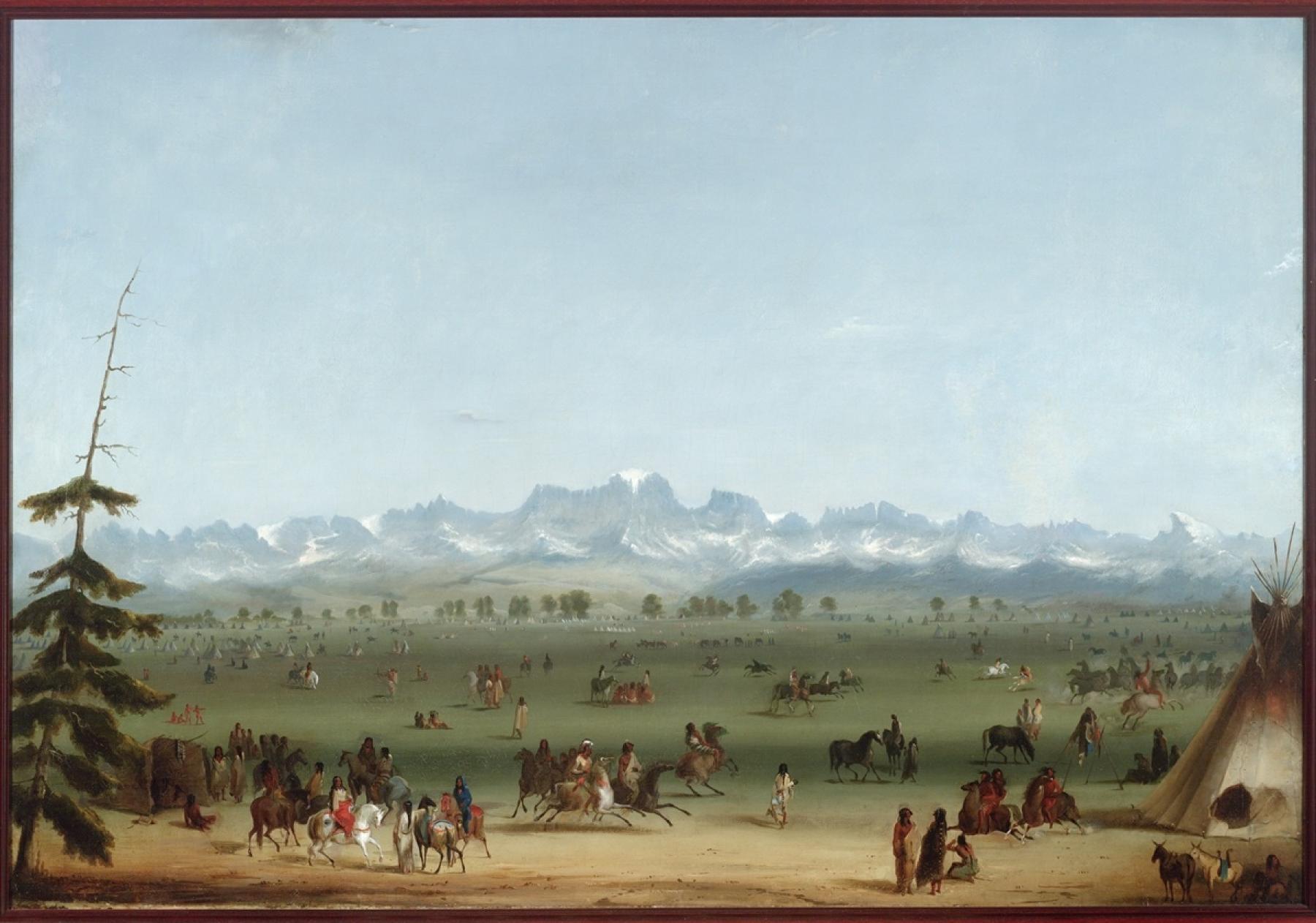
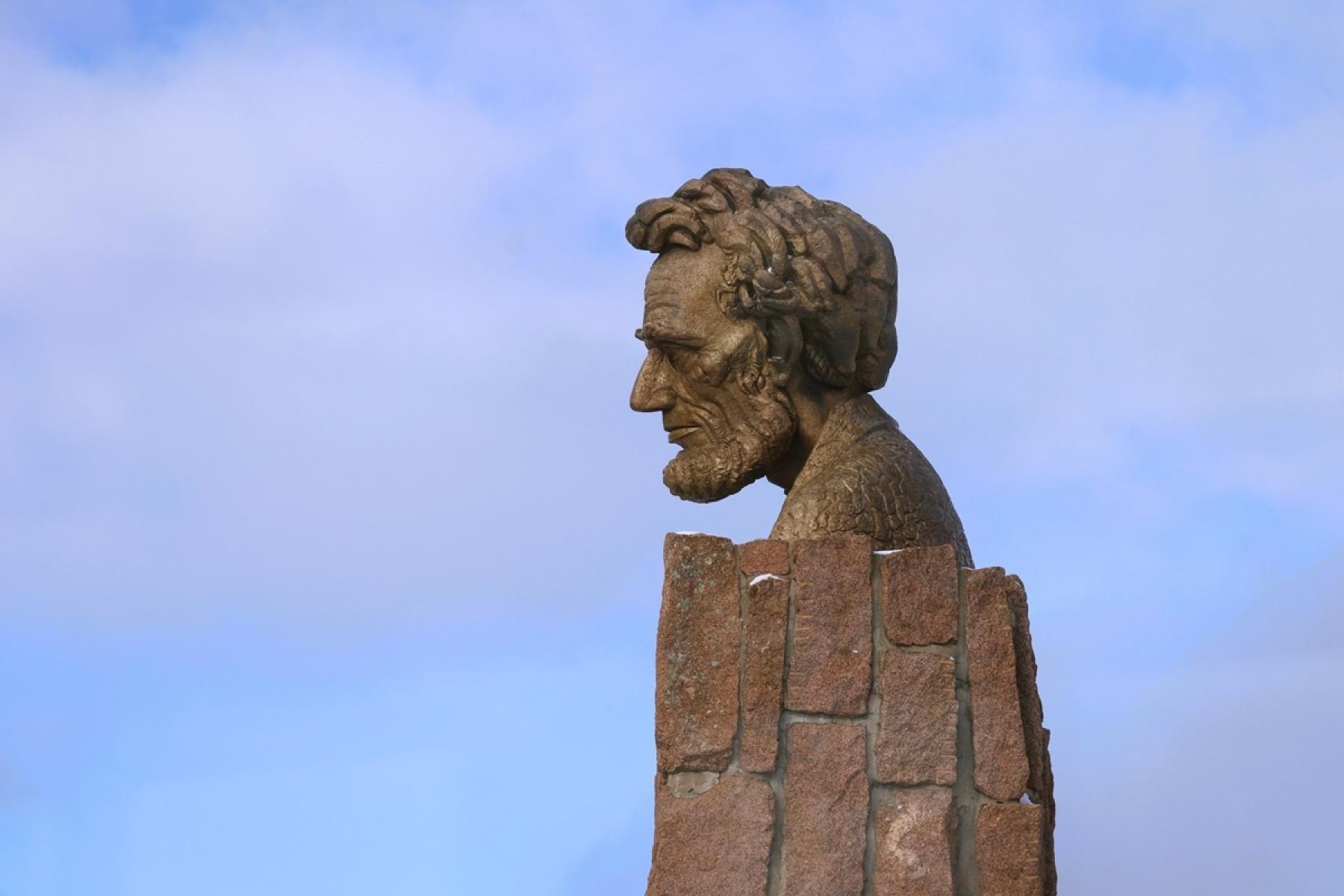
The volume’s objects range in time from when only Native peoples lived in Wyoming to the twenty-first century and come from across the state. They include Devils Tower and Chief Washakie’s peace pipe, the Cheyenne-Deadwood stage and the Dale Creek bridge on the transcontinental railroad, a steam whistle from the Kemmerer coal mine, the cowboy hat and the saddle, Lincoln’s statue on the Lincoln Highway, the Green River Rendezvous, and even jackalopes. Written by more than 50 experts from around Wyoming, these pieces provide reliable insights into their subjects.
The book’s lack of explicit connections among the objects enables readers to seek out and identify links themselves. This makes it a fun read for students and teachers, for book clubs, for people who are passionate about Wyoming’s past, and for any state resident who wants to know more about Wyoming’s history—all of whom can enjoy working out historic connections among many of the objects.
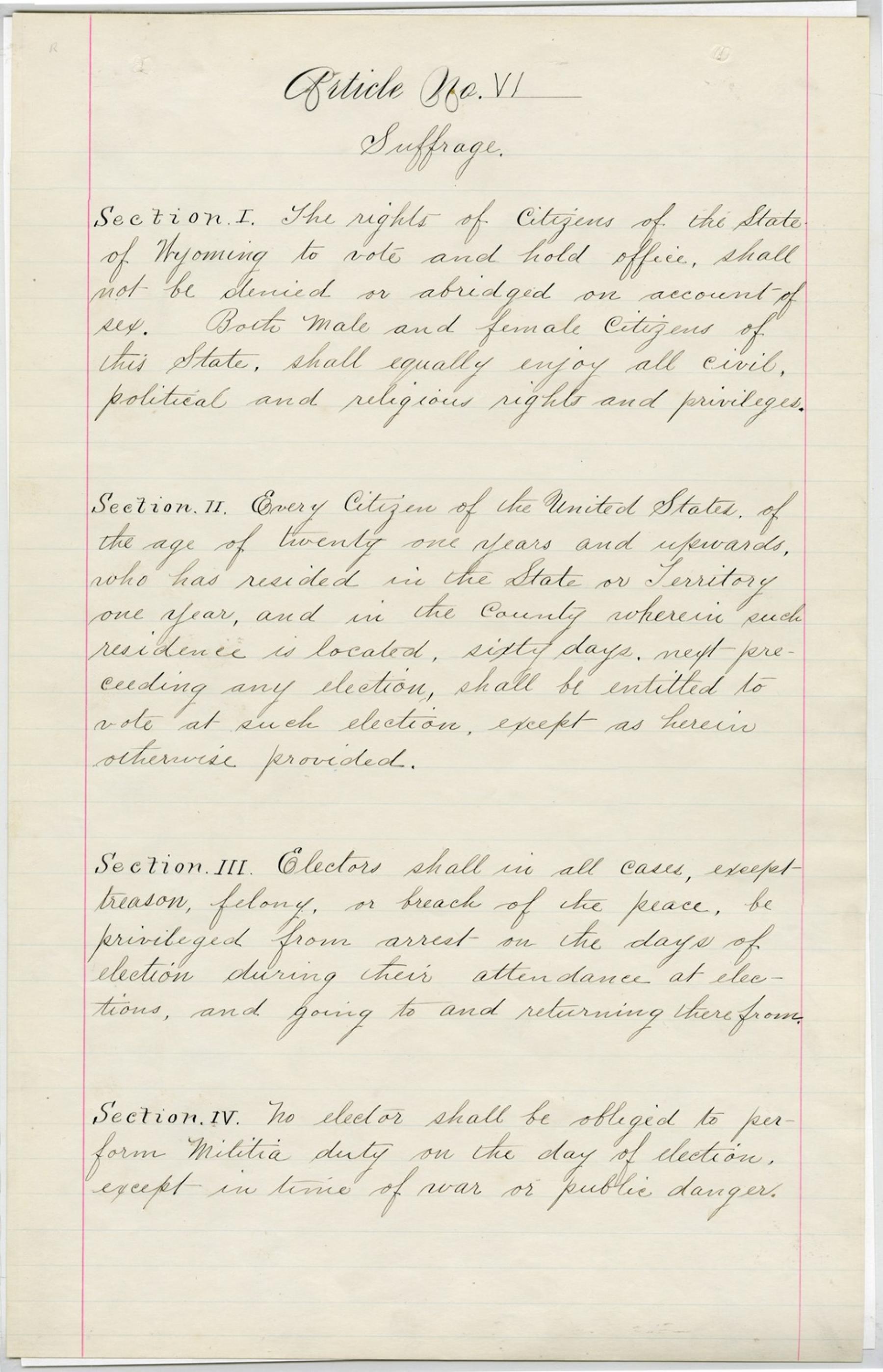
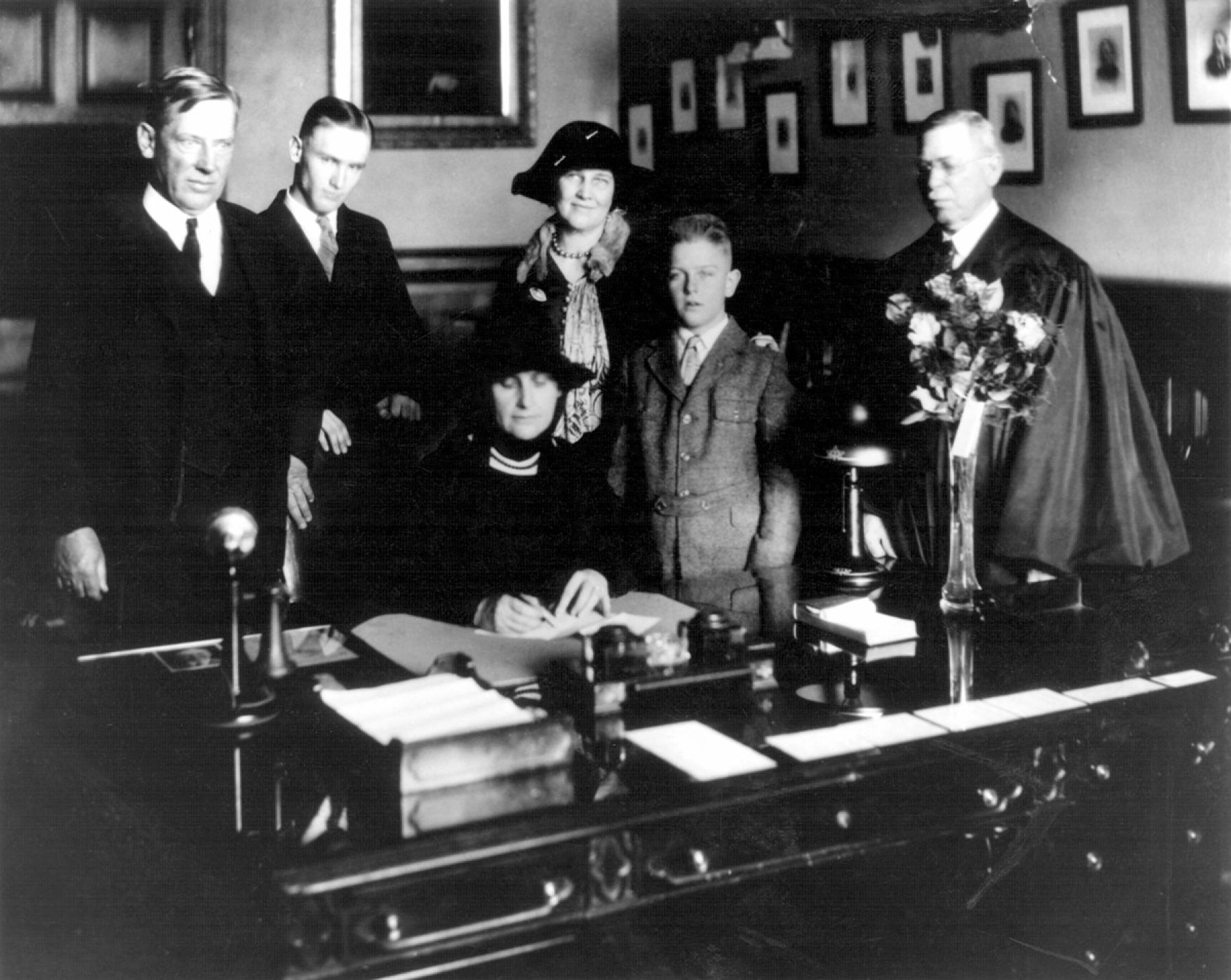
For example, Wyoming’s motto as the Equality State connects a number of objects. Objects in the book include: the signed oath of office of the state’s and the nation’s first woman governor, Nellie Tayloe Ross; the hand-written 1869 bill that gave women in Wyoming Territory the right to vote and to participate in government; the court casebook of Esther Morris, the first female justice of the peace in Wyoming and the nation; and the page from the Wyoming Constitution establishing women’s suffrage in 1890.
There are many other topics where several of the book’s objects connect. Let me suggest just a few: Wyoming’s ranching and agriculture industry, recreation and entertainment, the growth of transportation, and Wyoming’s role in the nation’s communication systems.
Wyoming’s History in 76 Objects and Places is part of Wyoming’s celebration of America’s milestone: 250 years since the Declaration of Independence, the document that called America’s people to independence, liberty, and equality. Seventy-six objects were chosen for this book to celebrate that year 250 years ago—1776.
Look for Wyoming’s History in 76 Objects and Places in your county or high school library, your local bookstore or museum shop, at Wordsworth Publishing’s website, or online at Amazon (print and Kindle) and read your copy today. (The book also makes a great Christmas gift!)
Related articles
- Women’s Suffrage in the Wyoming Constitution
- Right Choice, Wrong Reasons: Wyoming Women Win the Right to Vote
- Esther Hobart Morris, Justice of the Peace and Icon of Women’s Rights
- Wyoming Becomes a State: The Constitutional Convention and Statehood Debates of 1889 and 1890 and Their Aftermath
- The Ambition of Nellie Tayloe Ross
- Fort Laramie
- An Artist and the Fur Trade: the Wyoming Paintings of Alfred Jacob Miller
- The Lincoln Highway in Wyoming
- Robert Russin: Legacy in Bronze and Stone
- Devils Tower
See some of the visuals presented in the book by clicking on the gallery below: